My summer of 2026
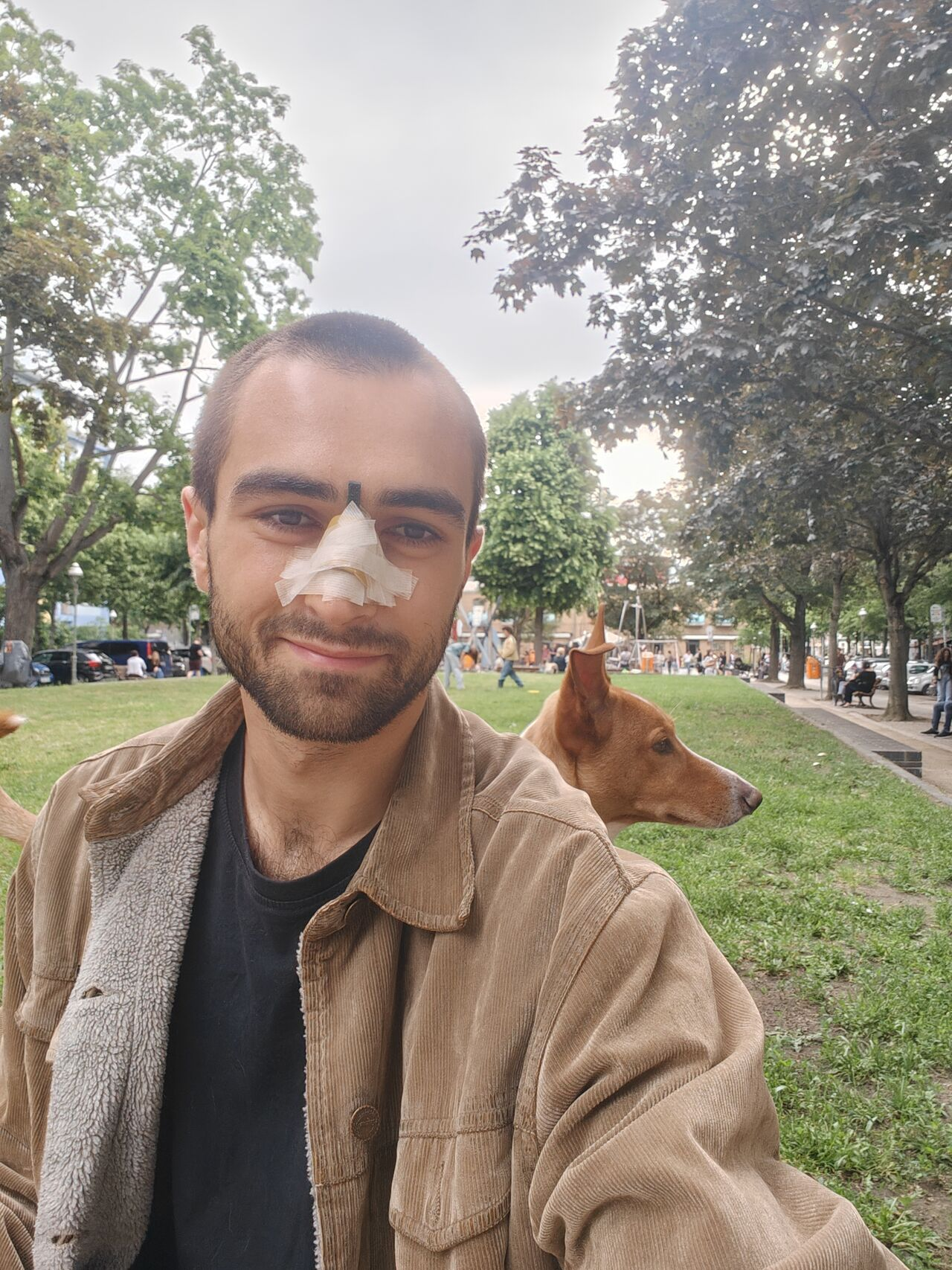
The broken nose
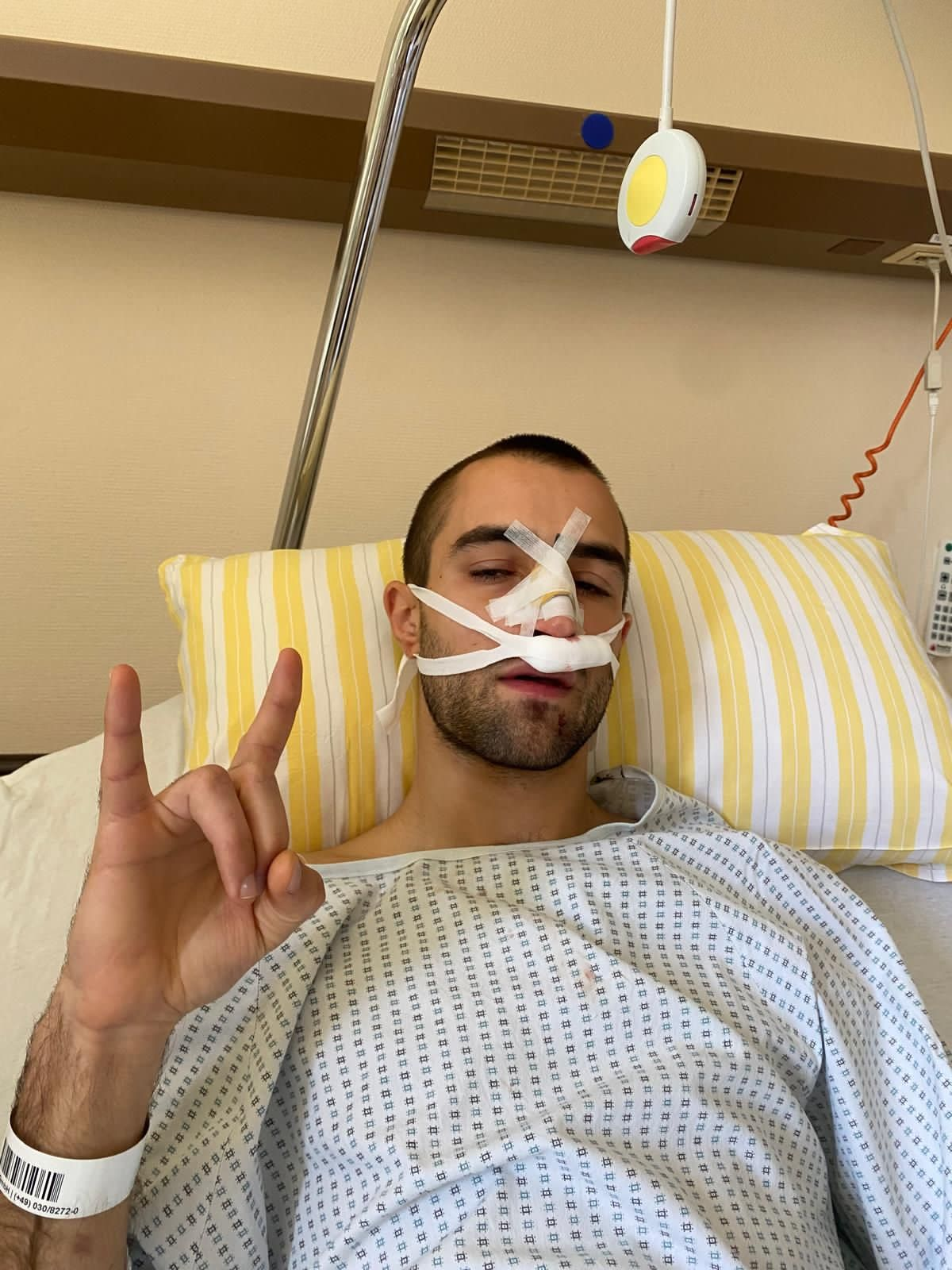
I broke my nose during kickboxing practice on the 23rd of May, and had to miss my workshop at DevOpsDays Sibiu and my family reunions in Fundão, to celebrate the inauguration of the statue of my great-grandfather.
I’m fine now. The surgery and recovery went great.
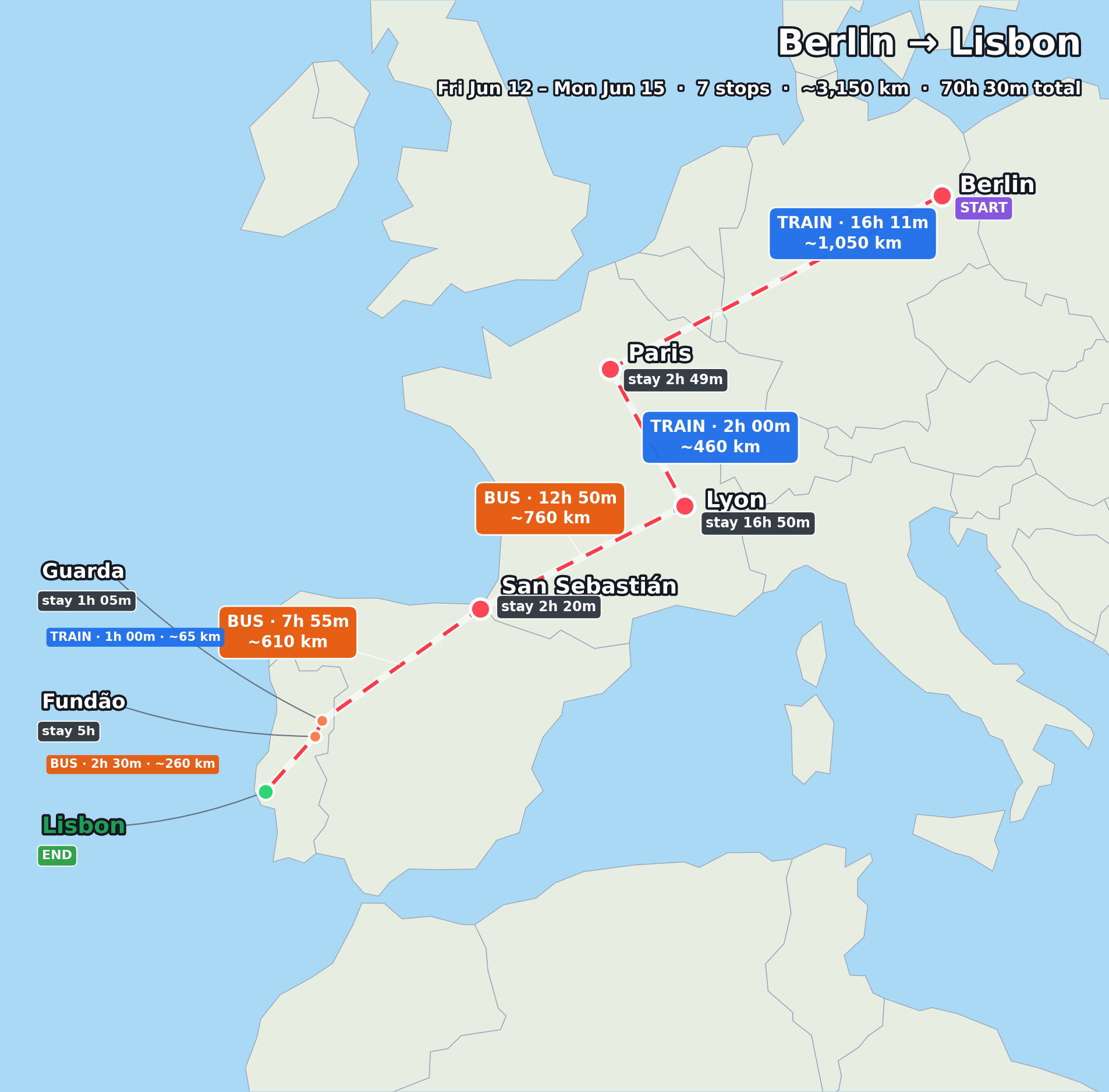
From Berlin to Lisbon
But at the time, I could not travel by plane so soon after the surgery because of interactions between the freshly handled nose and high altitude.
But waiting didn’t work either because then I’d miss Waking Life.
So I took a combination of buses and trains:
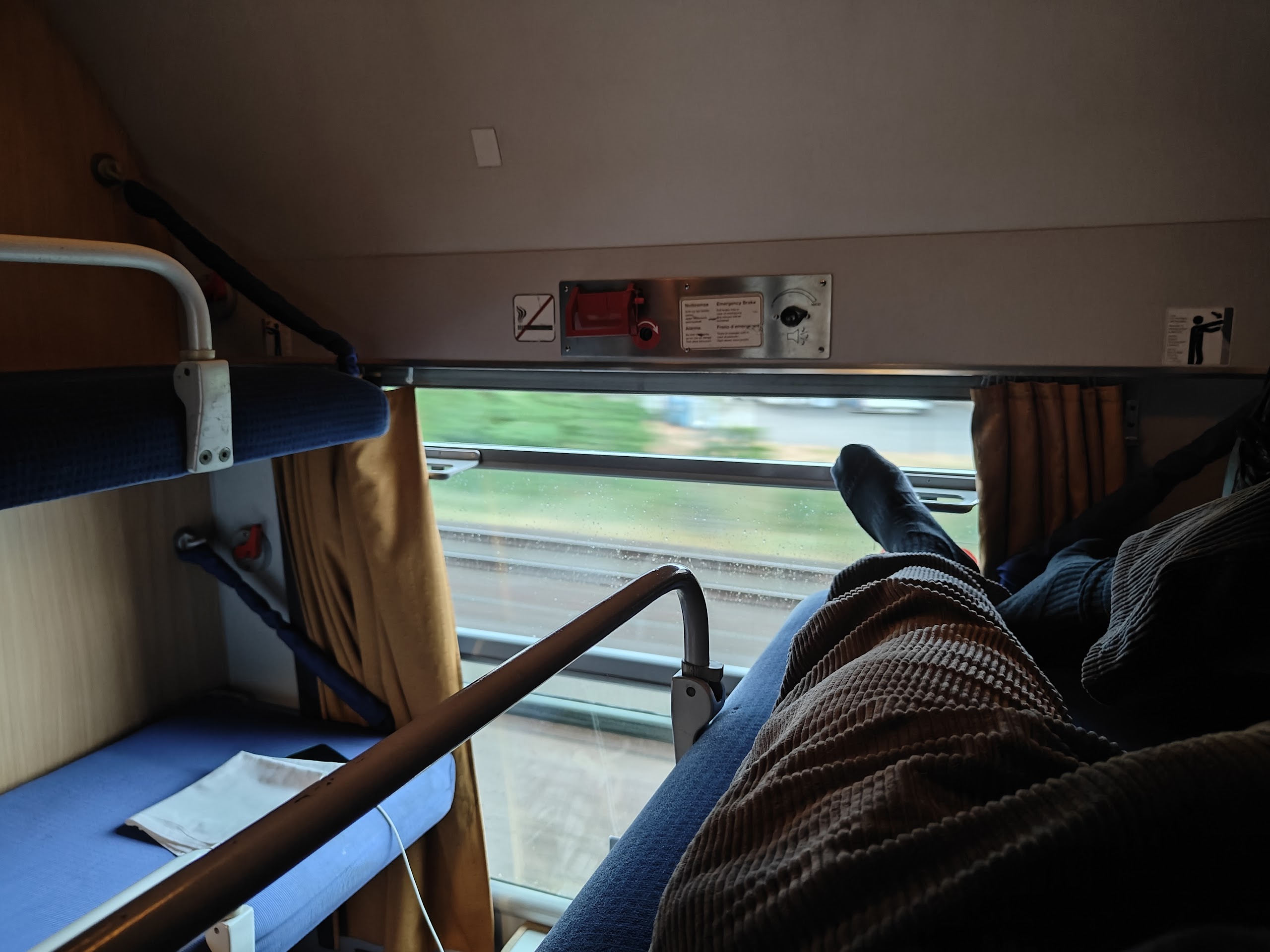
It started with a night train from Berlin to Paris (the most comfortable way to travel I’ve experienced)
Paris
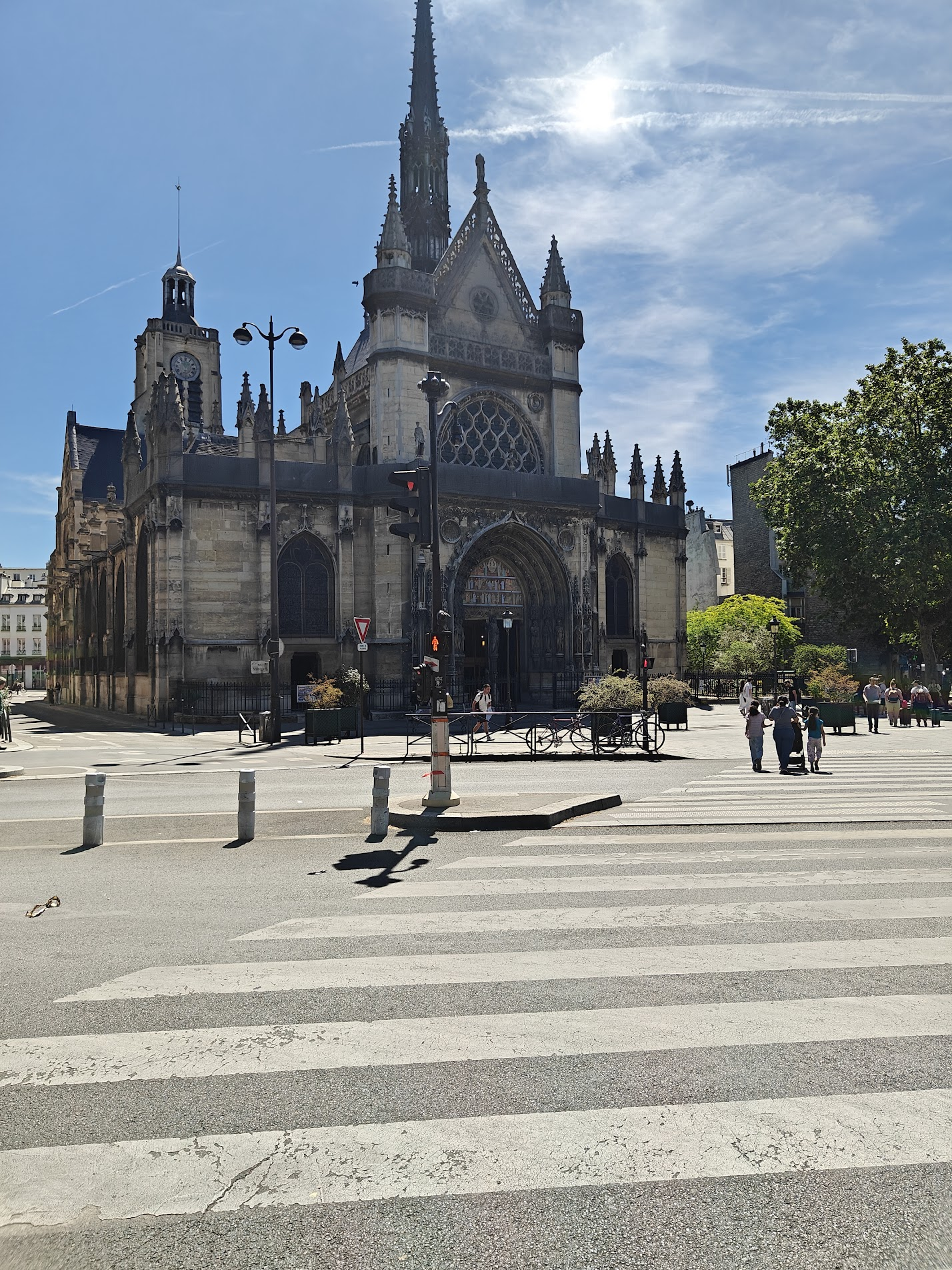
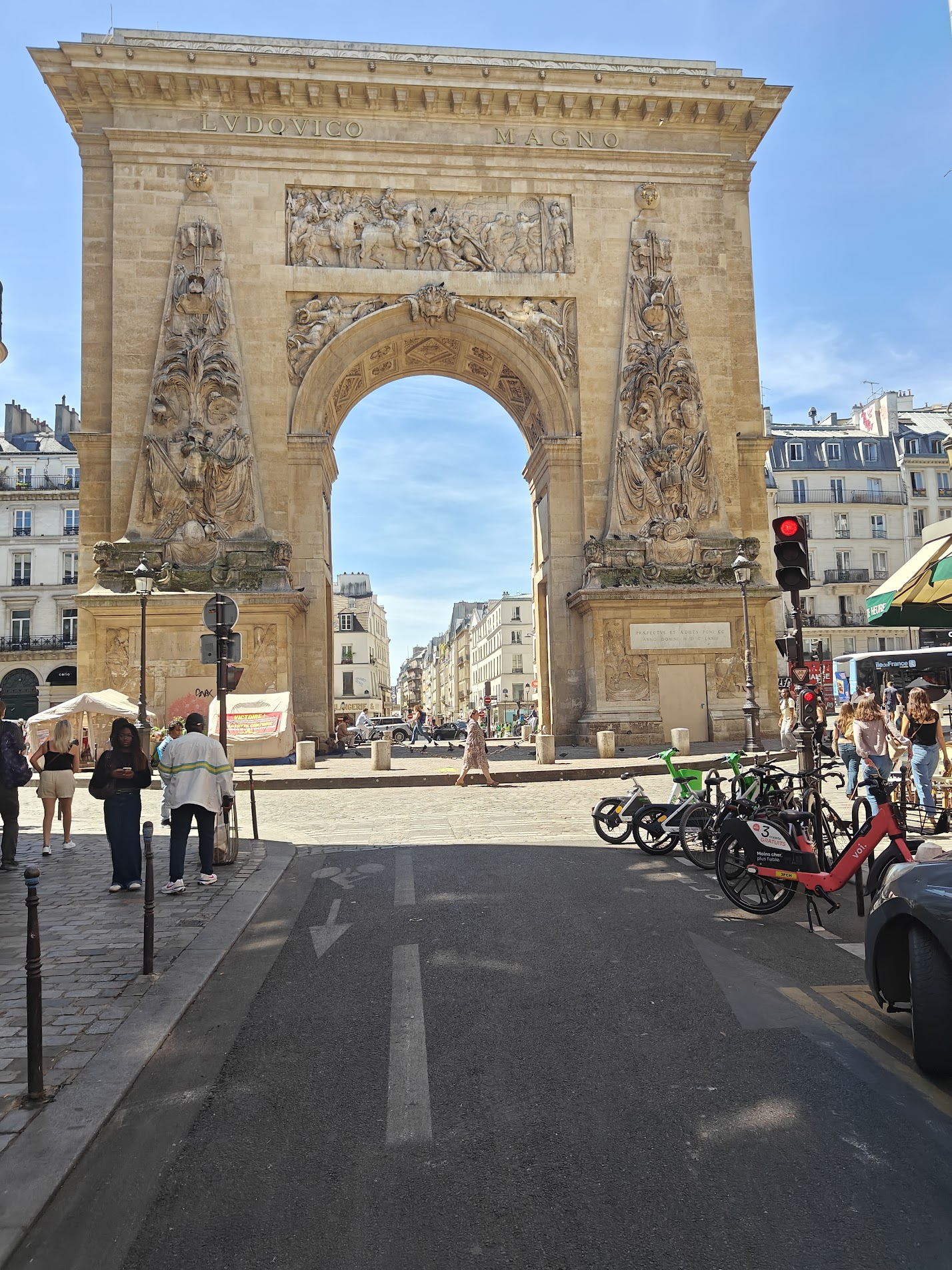
Walking through Paris in 30 degrees.
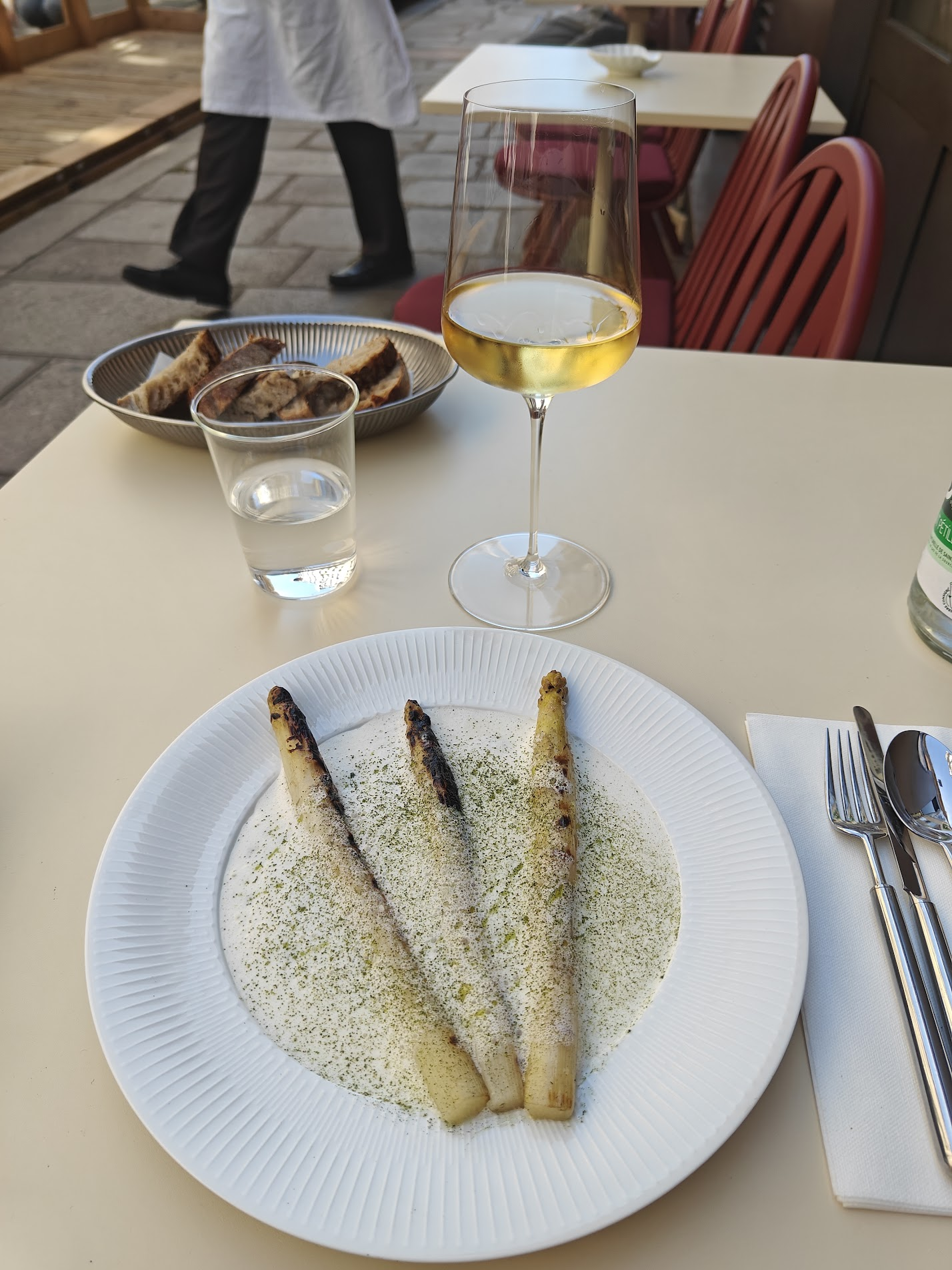
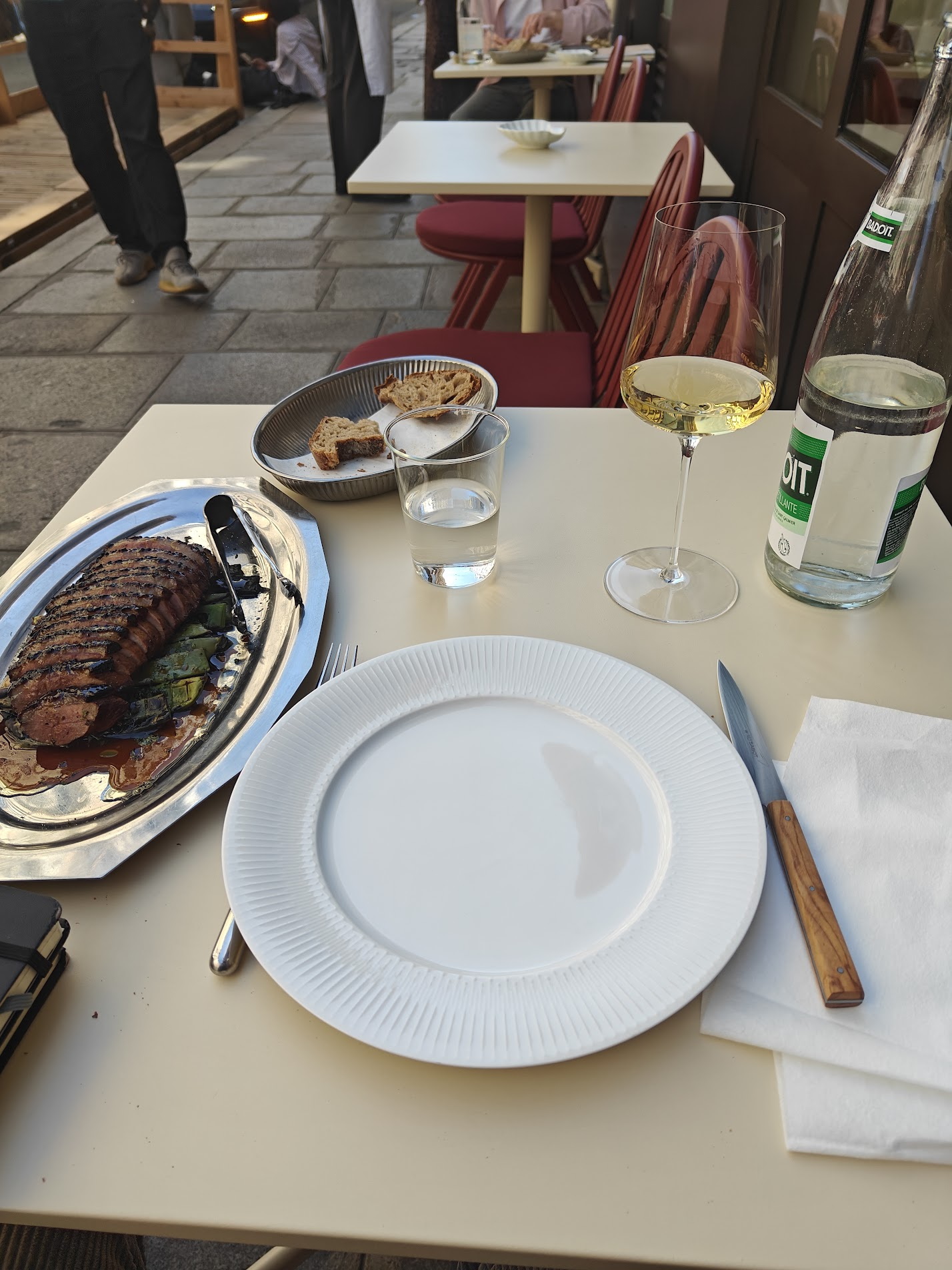
Then lunch in Paris at Calcifer because Elmer was closed.
Asparagus, bread and duck breast were delicious.
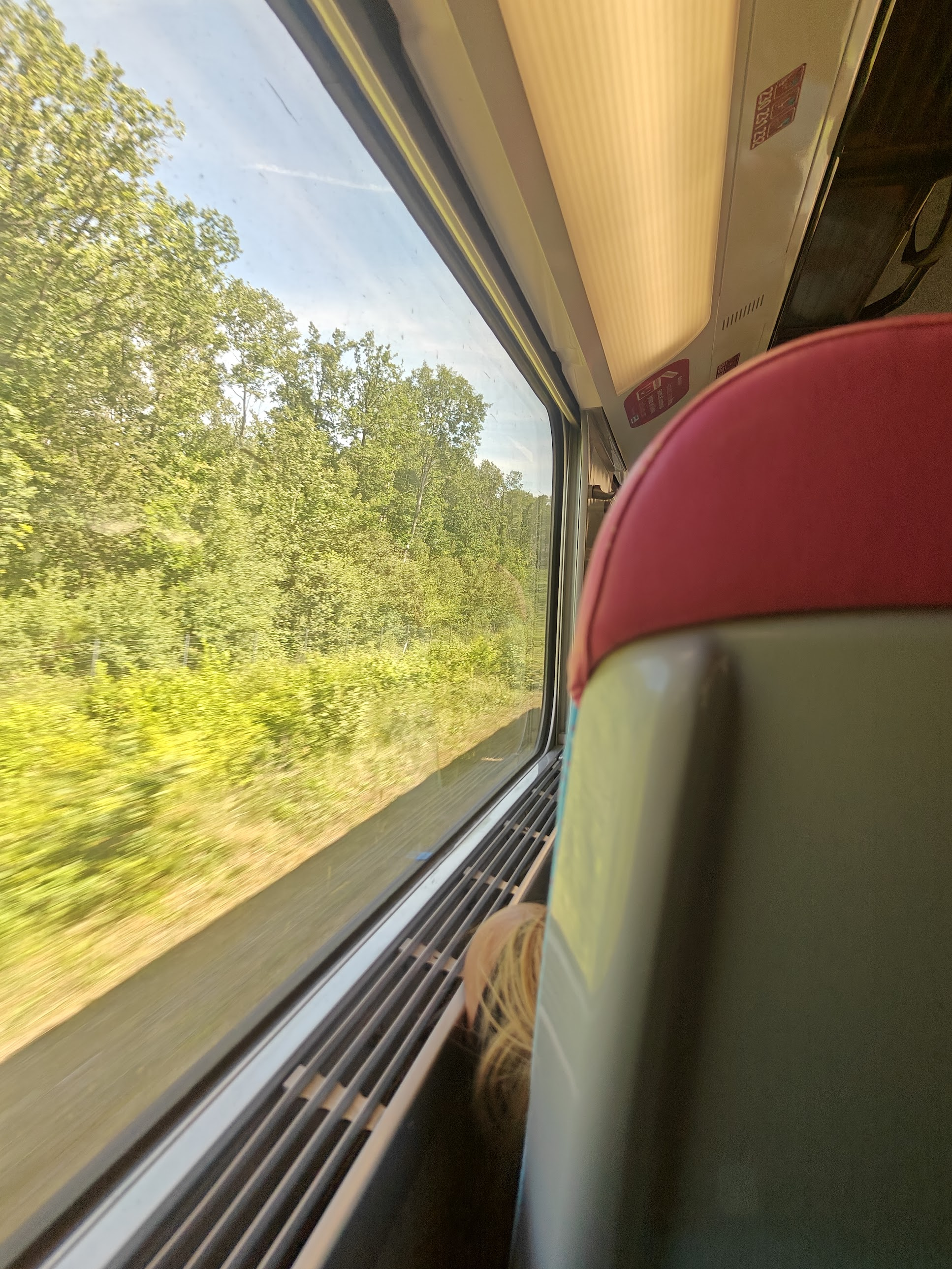
Then hurrying to take the TGV towards Lyon
Lyon
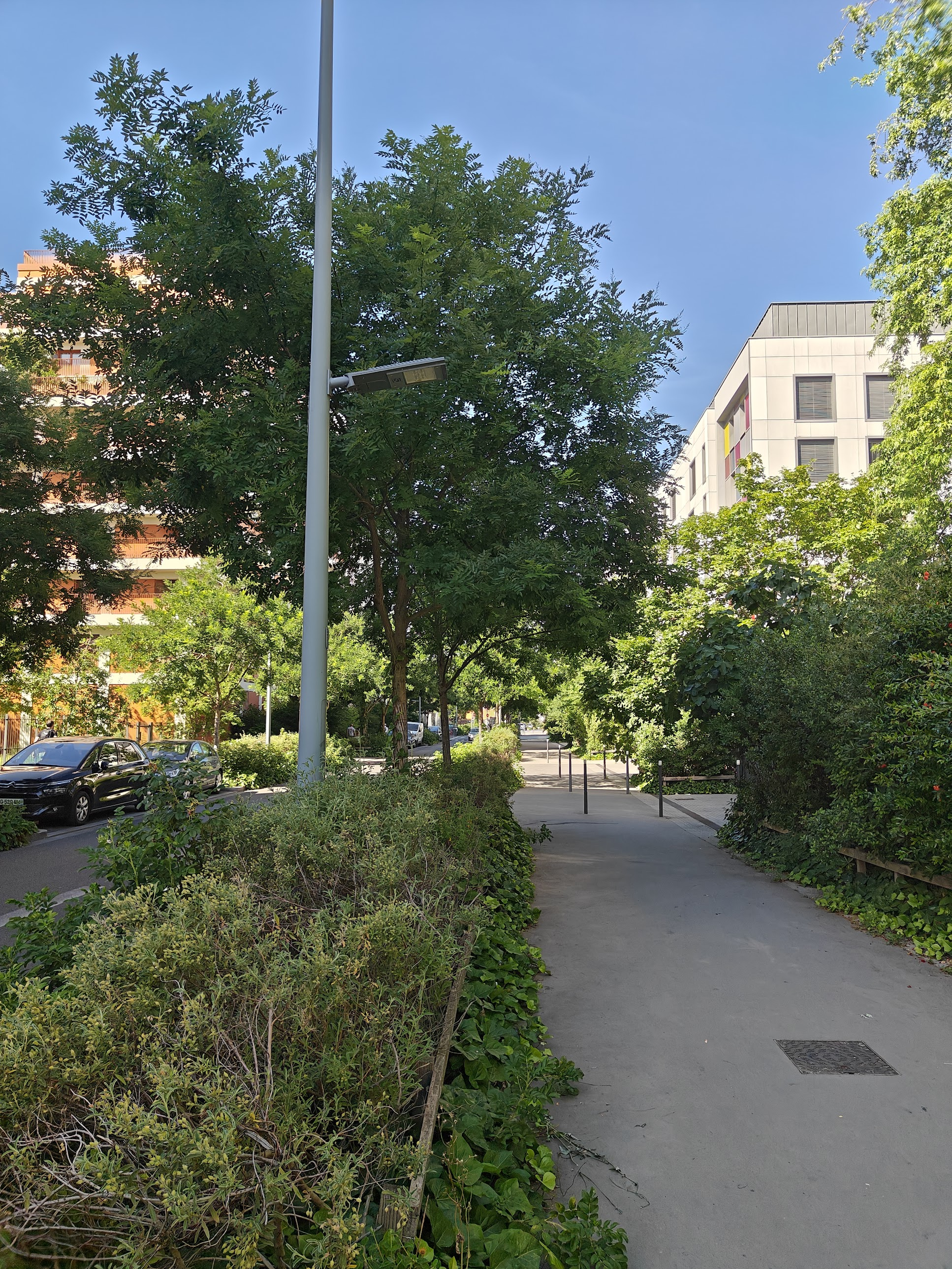
In Lyon.
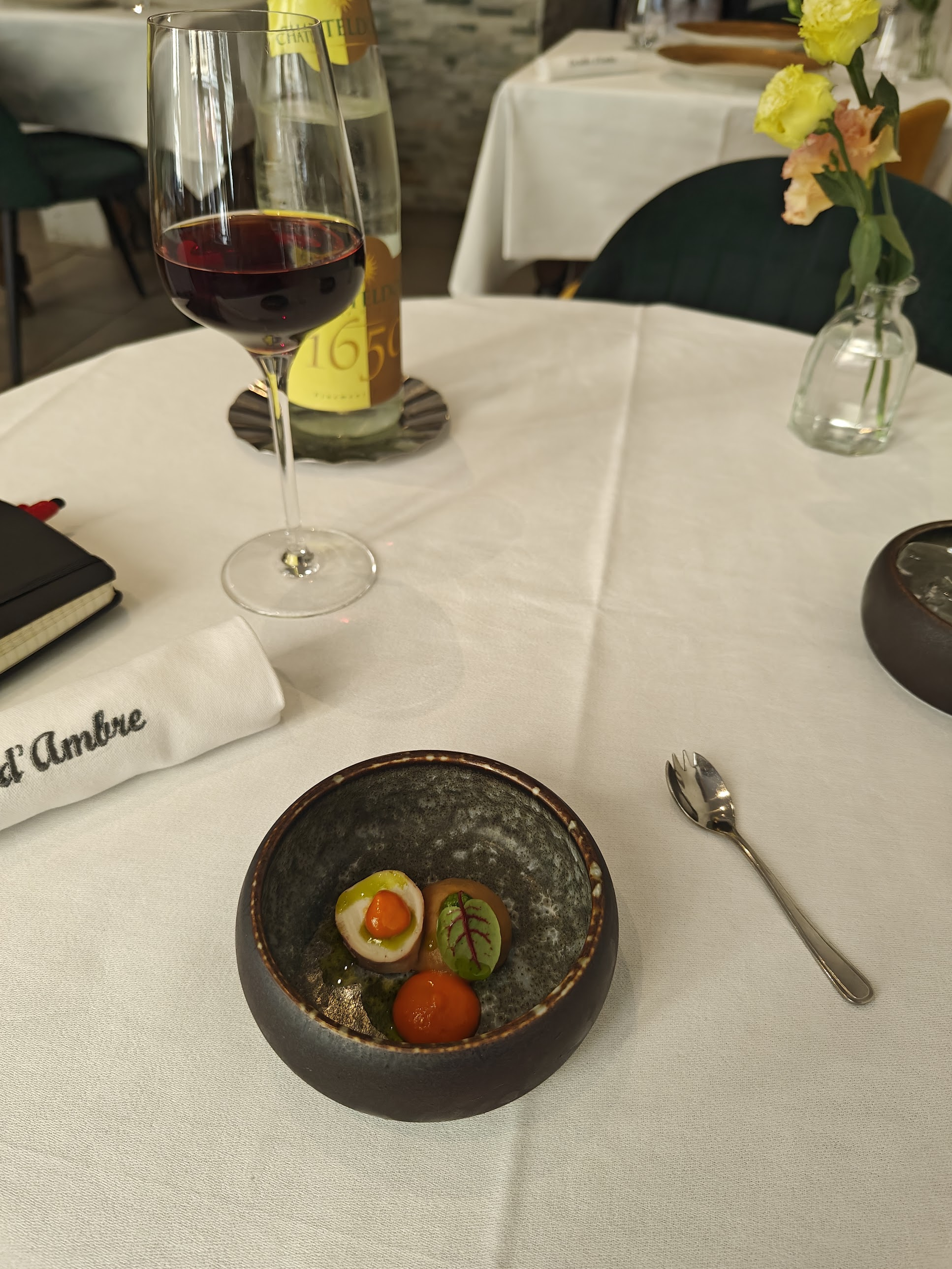
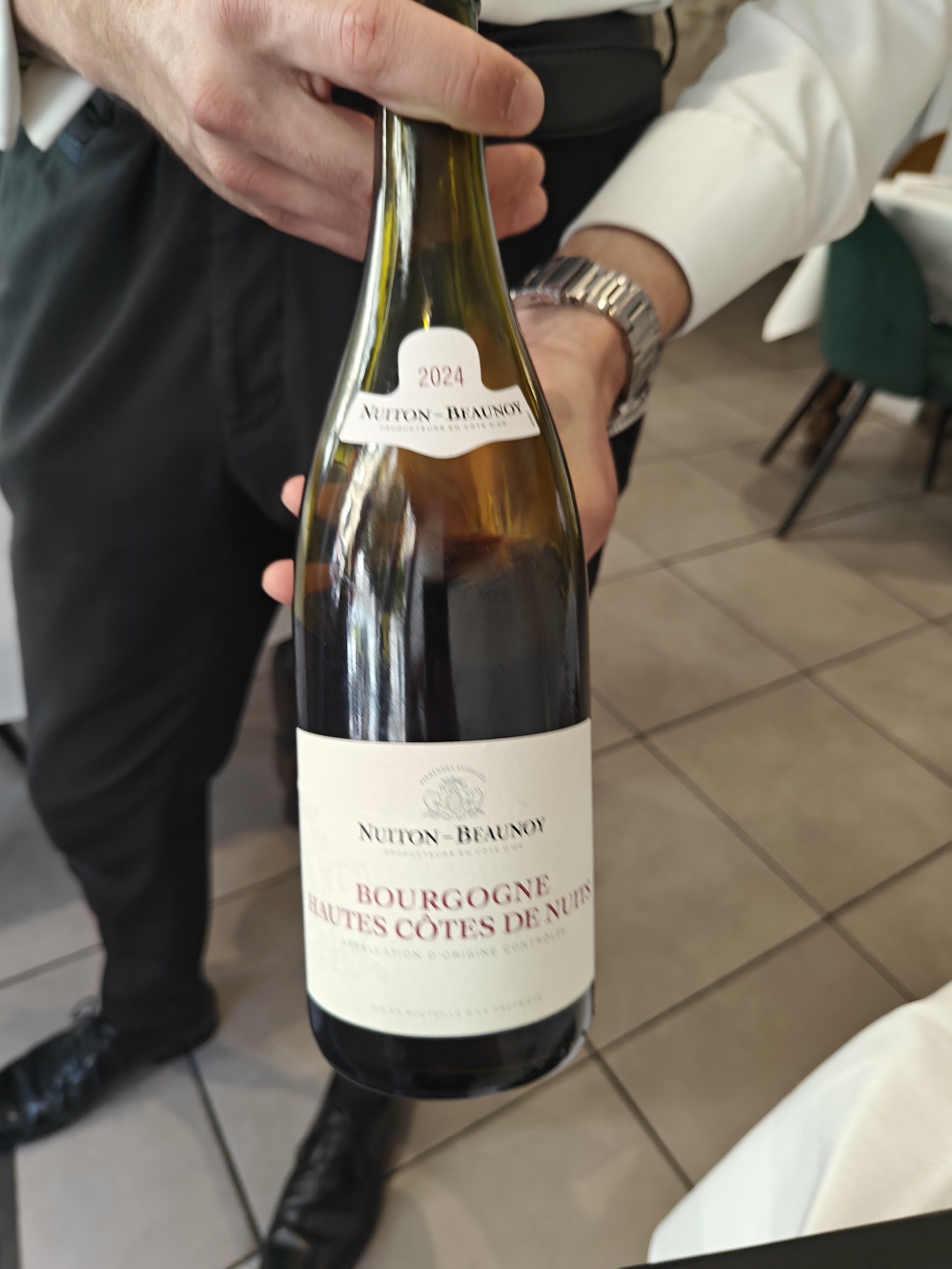
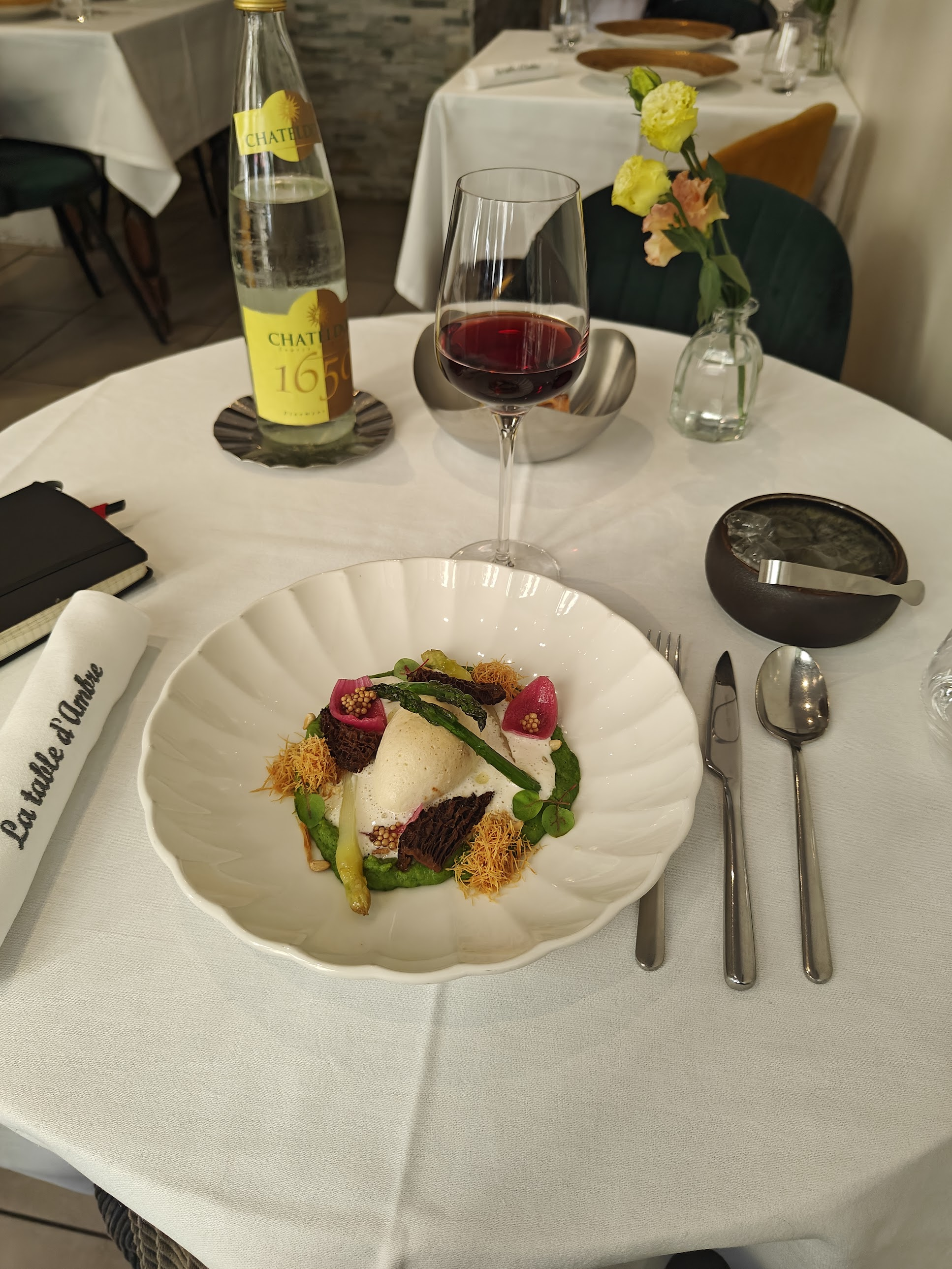
At La Table d’Ambre.
The food was great. However, I felt the ingredients and service were superior at Calcifer.
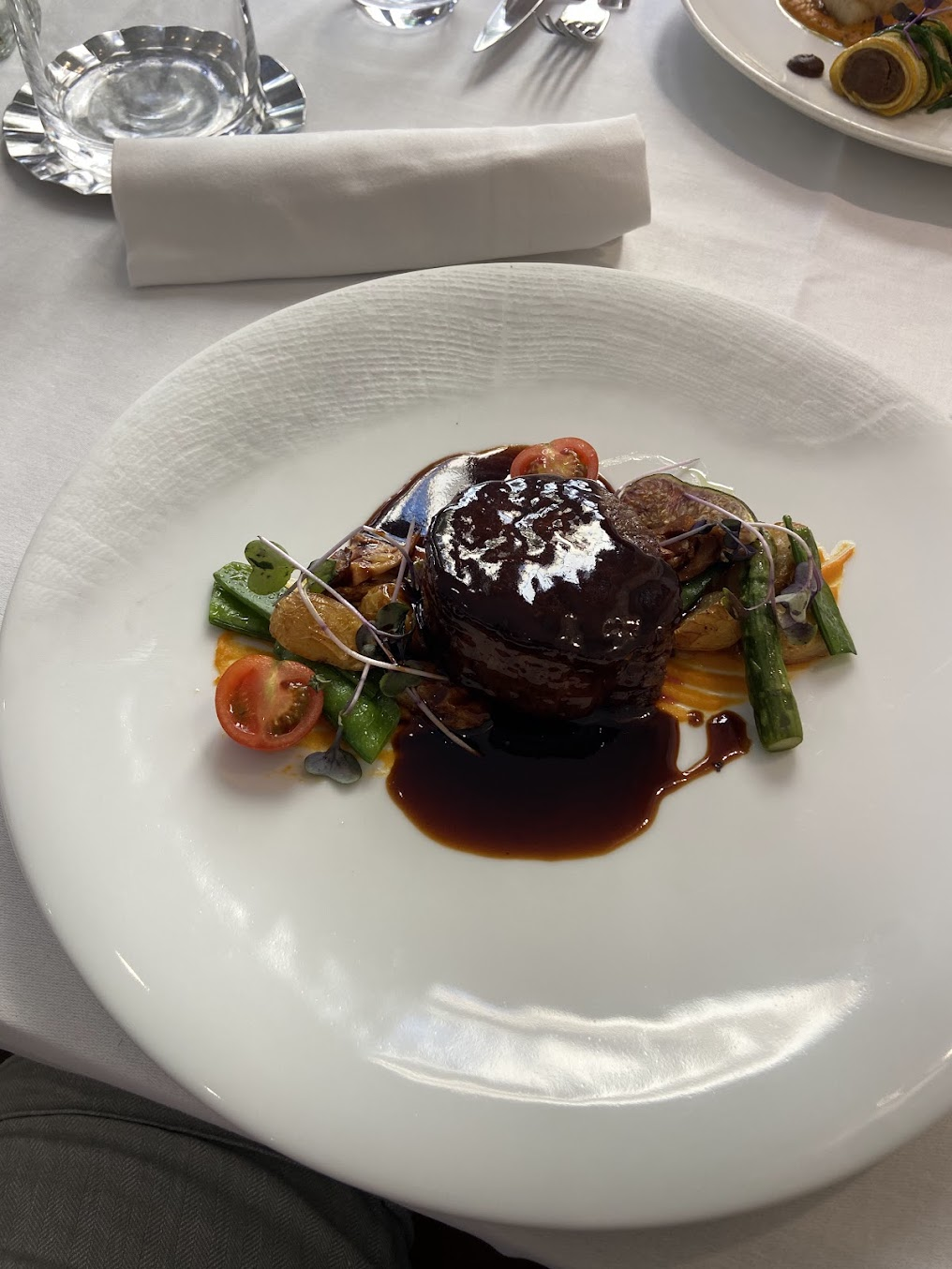
The steak was delicious. It was gone so fast I forgot to take a picture, but here’s one from Gmaps.
The best ice cream of my life at Maison Givre.
Strawberry w/ vanilla ice cream. The strawberries were fresh, and this vanilla ice cream is something very special. It’s like somebody tried to put so much vanilla in the ice cream that it would be too much vanilla, but instead it’s a delicious, intense but not too intense vanilla flavor. I had to go back for a third scoop of that.
Morning walk to catch the bus to San Sebastián.
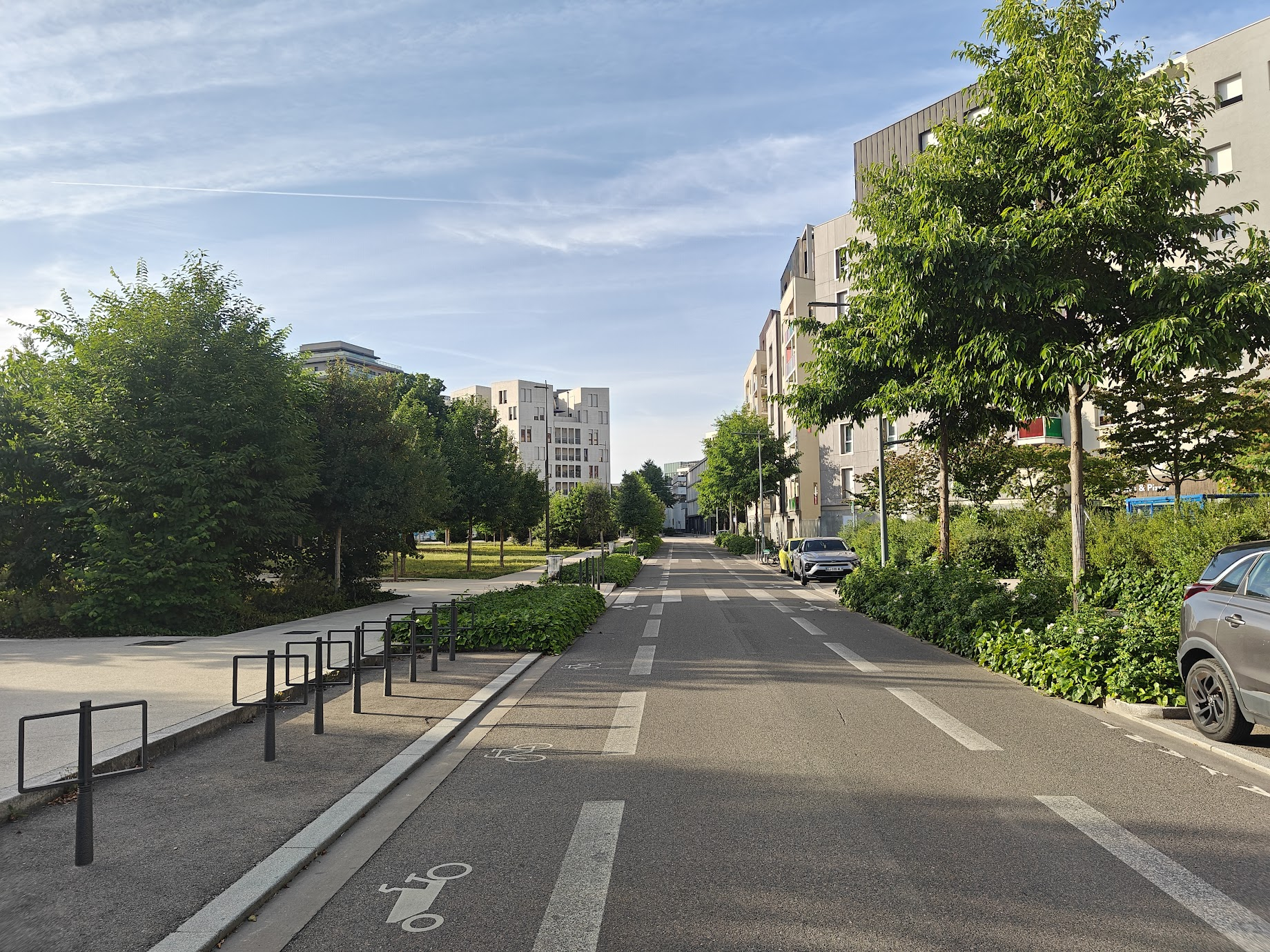
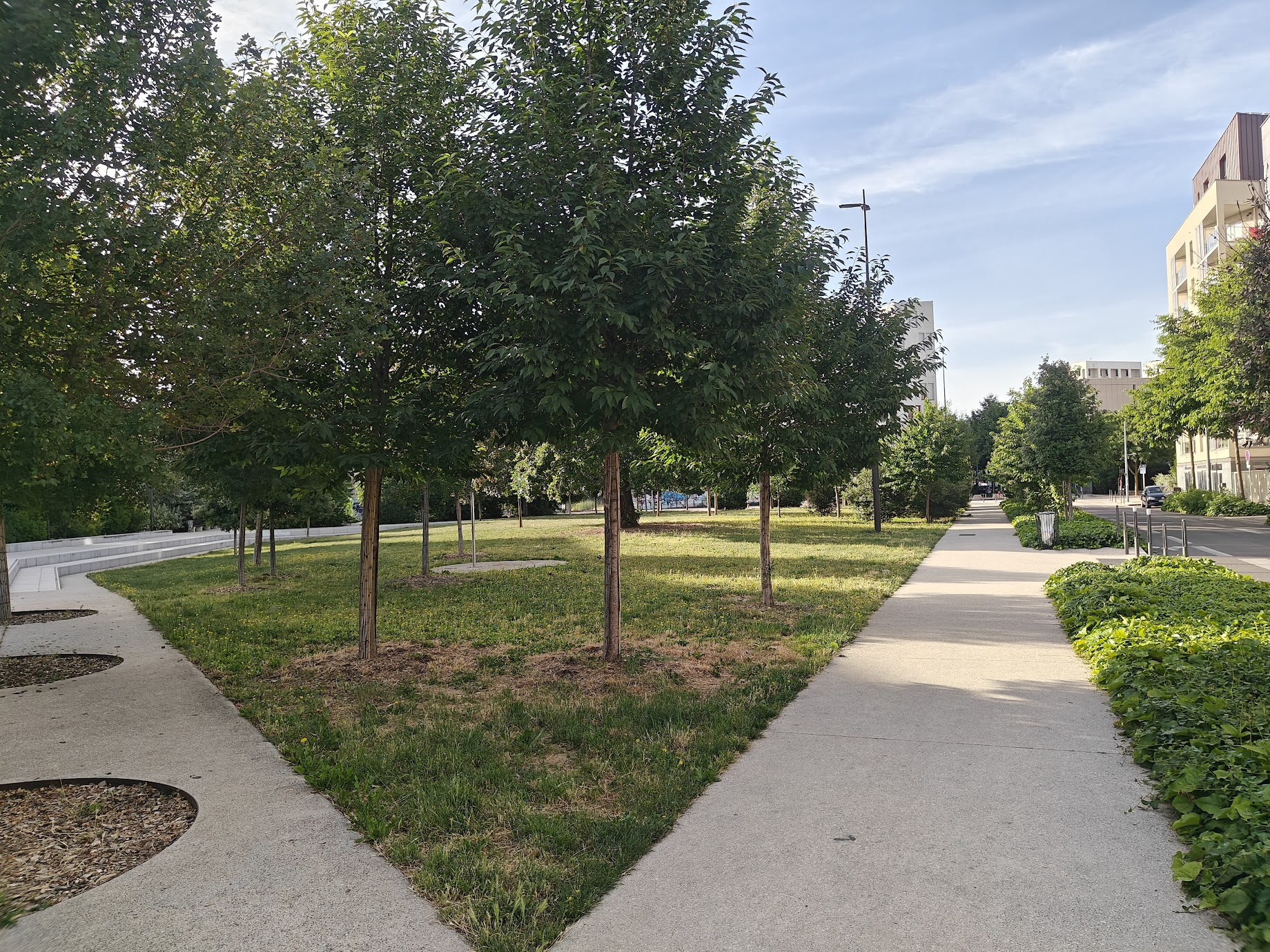
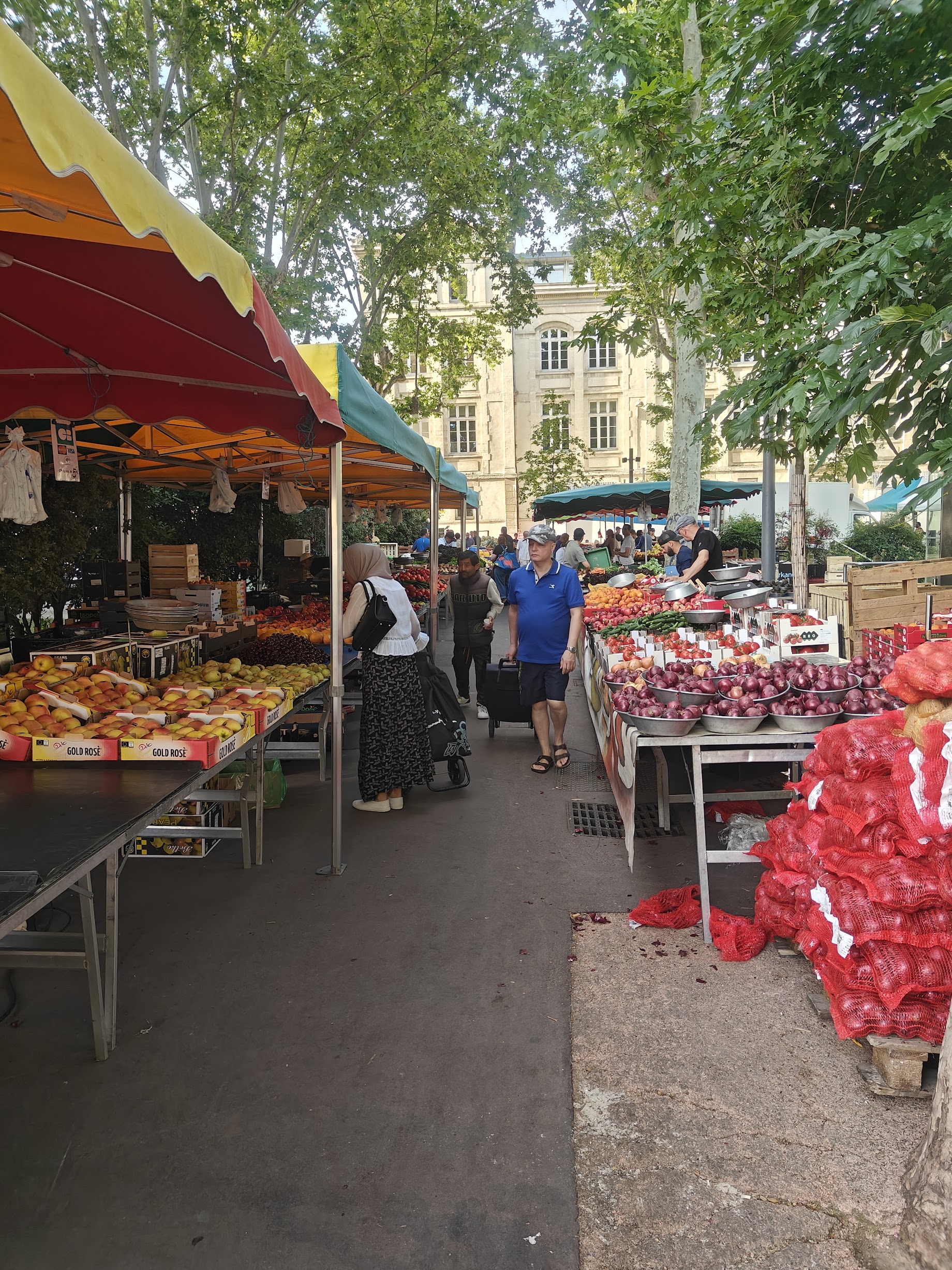
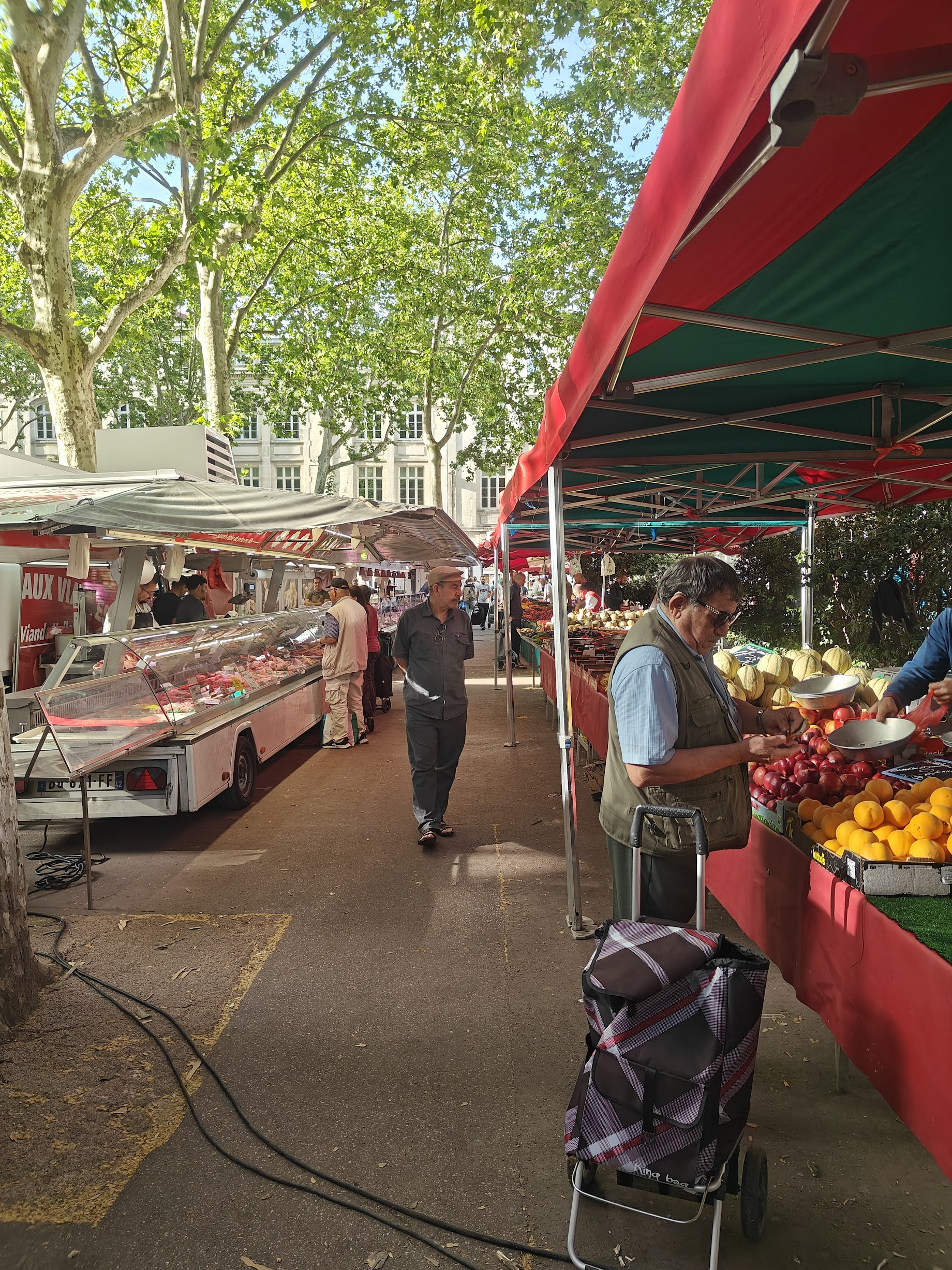
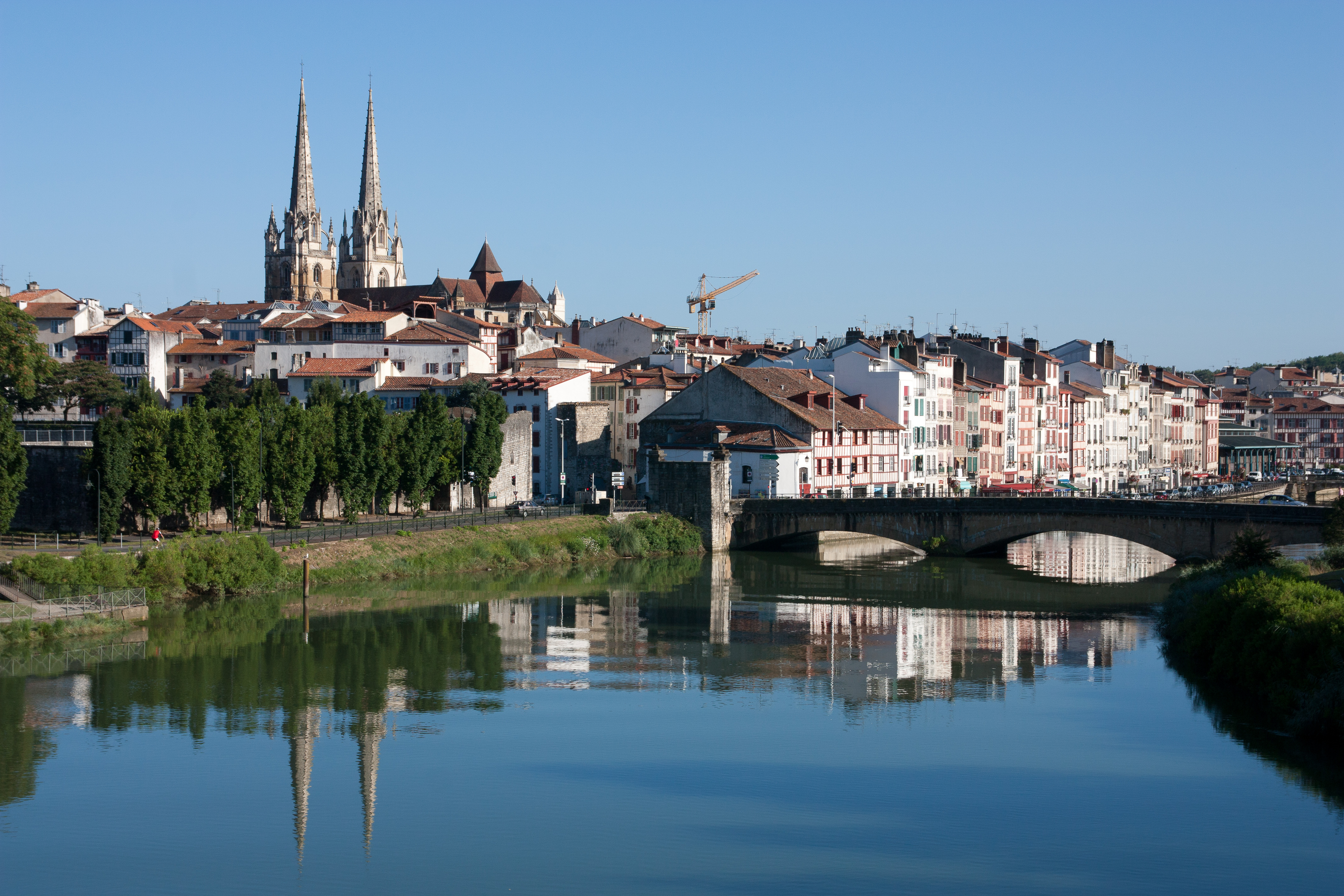
Bus ride, passing through the beautiful city of Bayonne in the south of France.
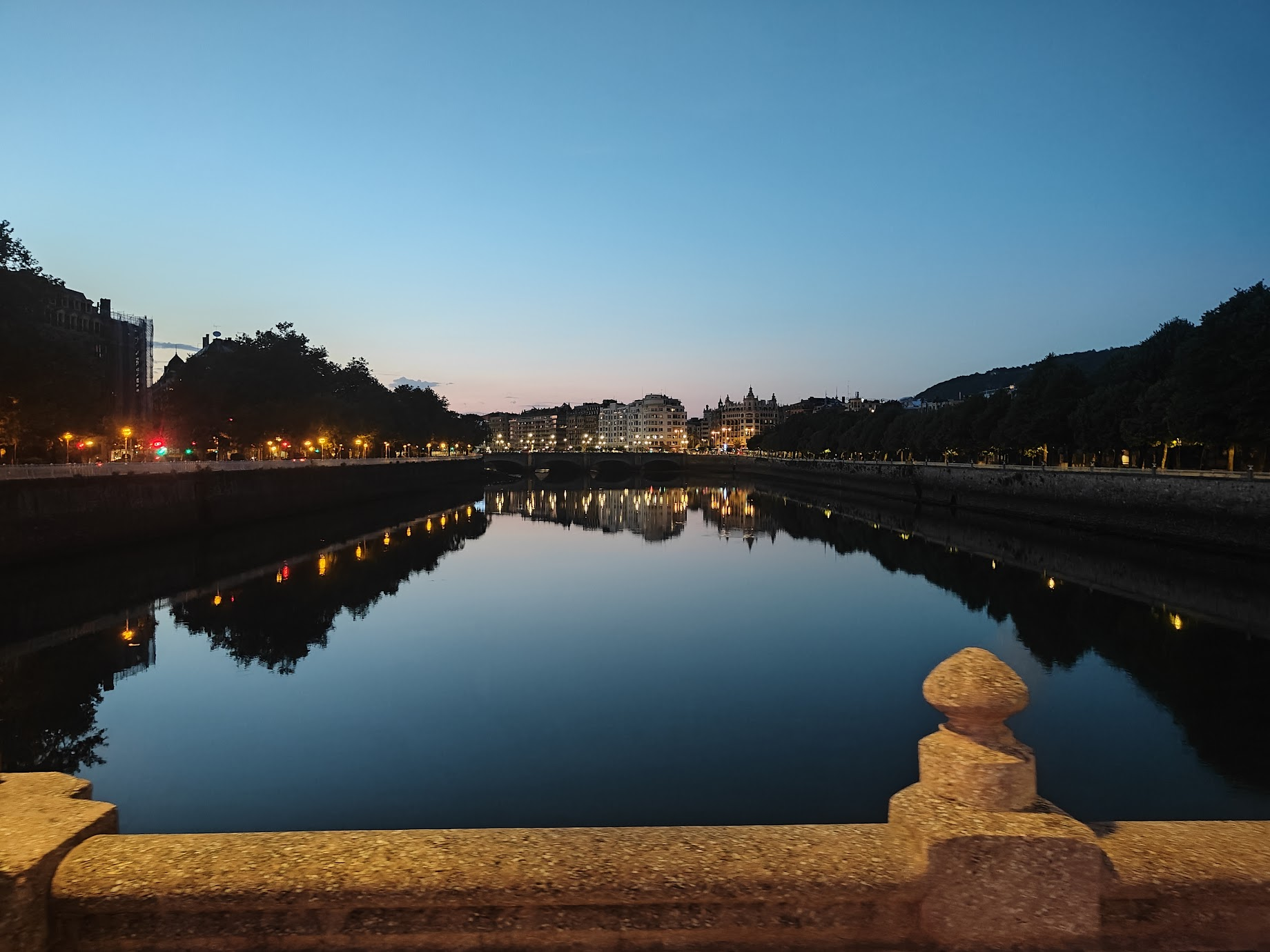
San Sebastián
Arrived in San Sebastián at sunset.
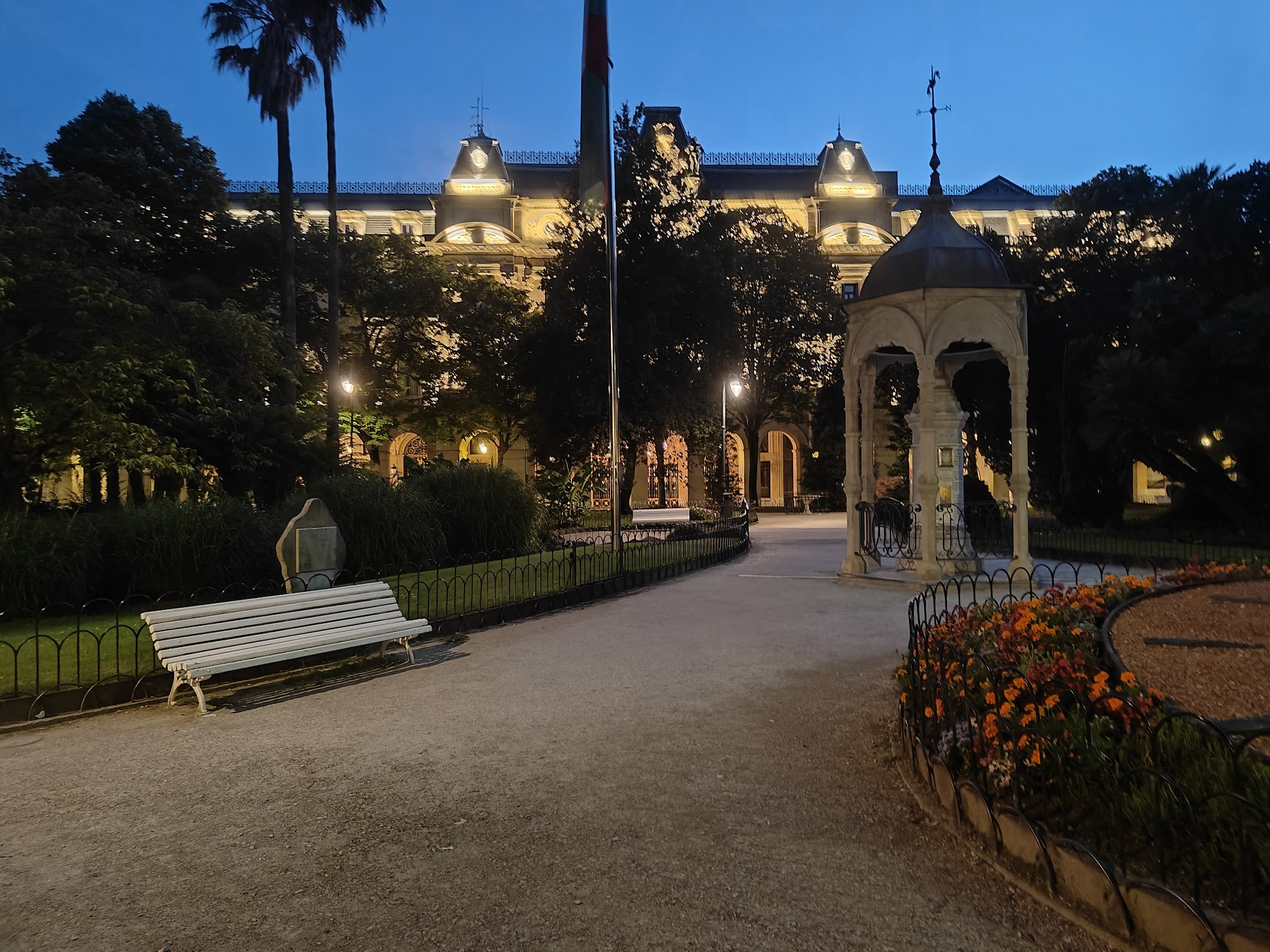
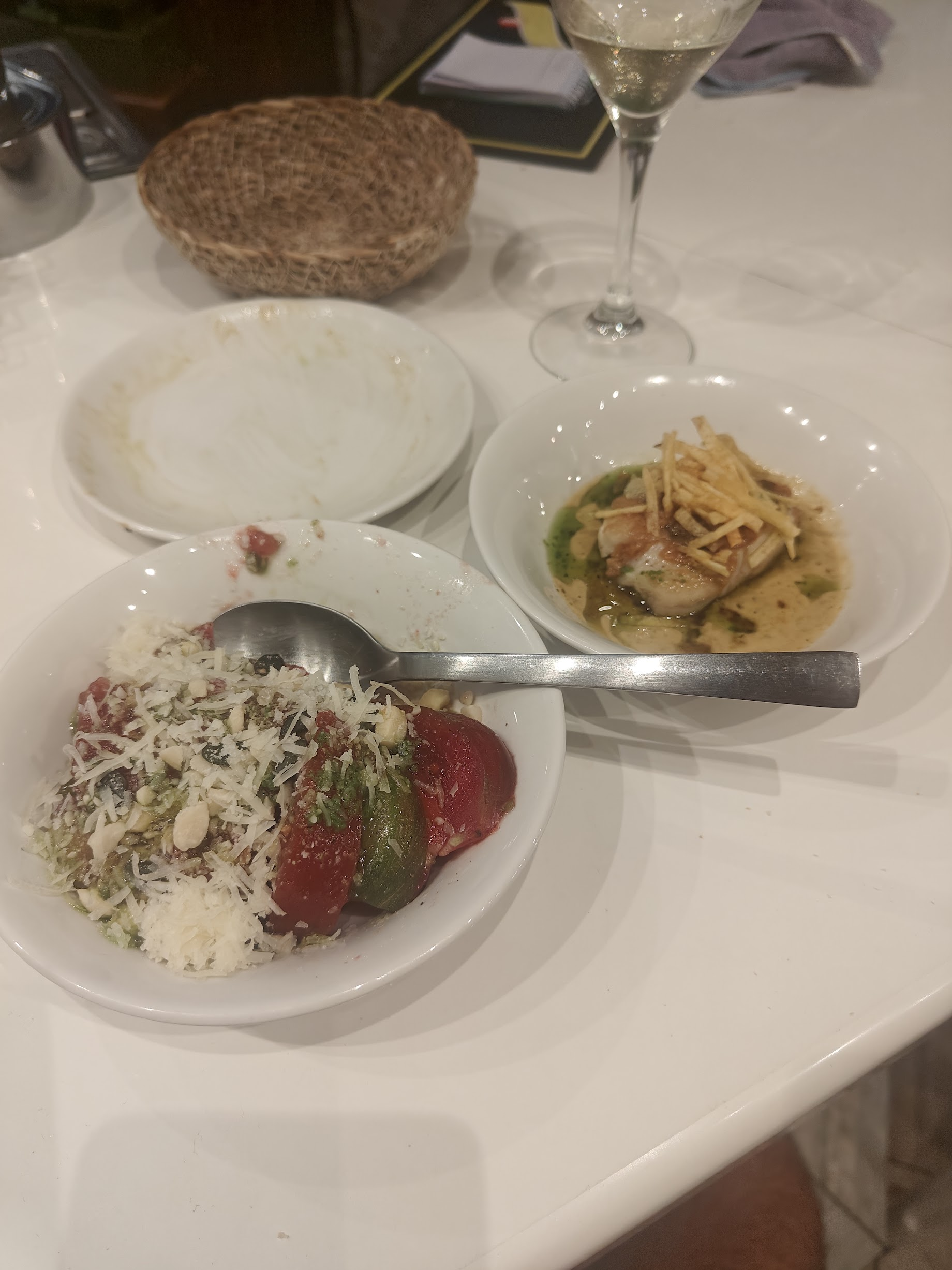
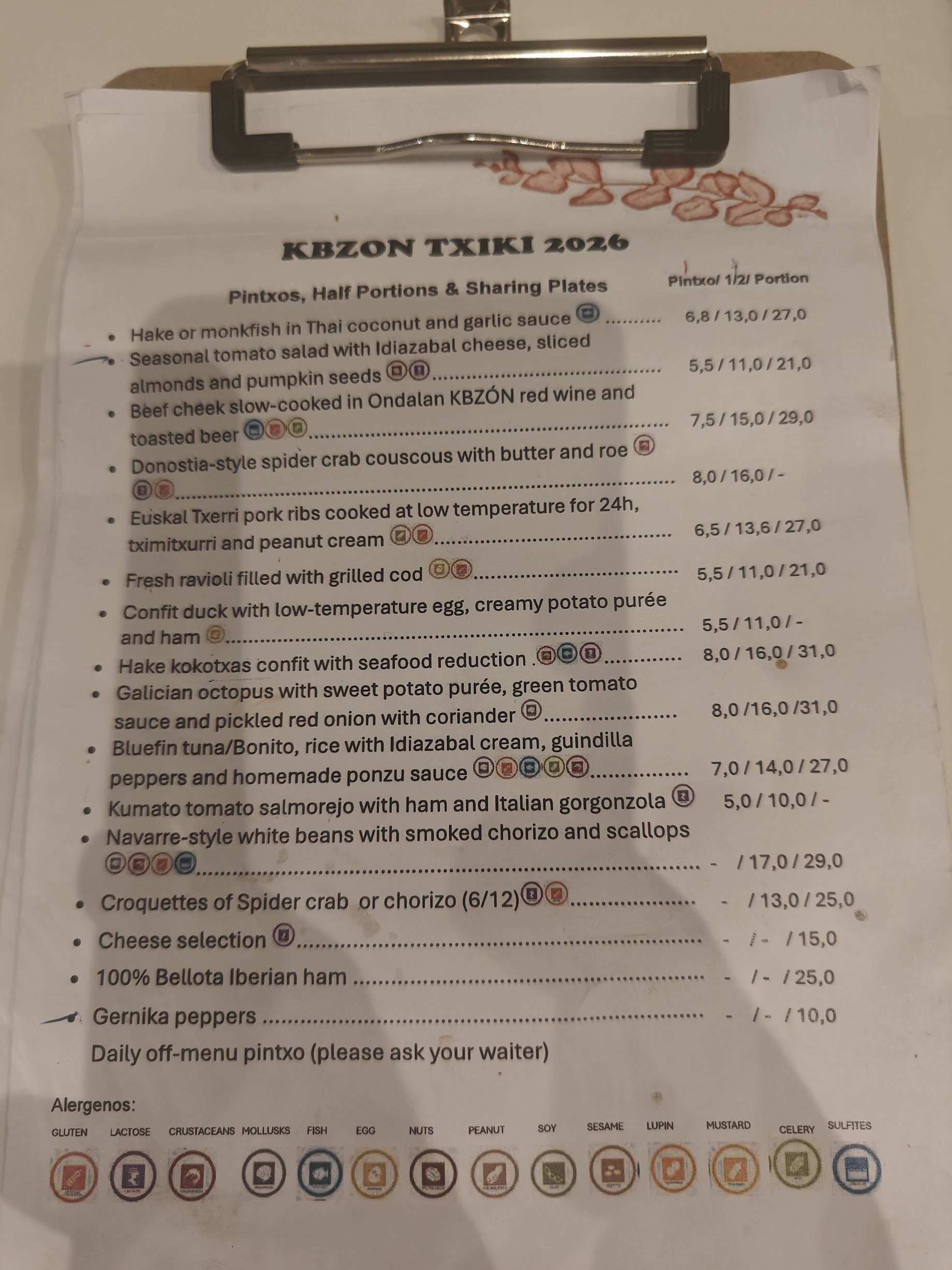
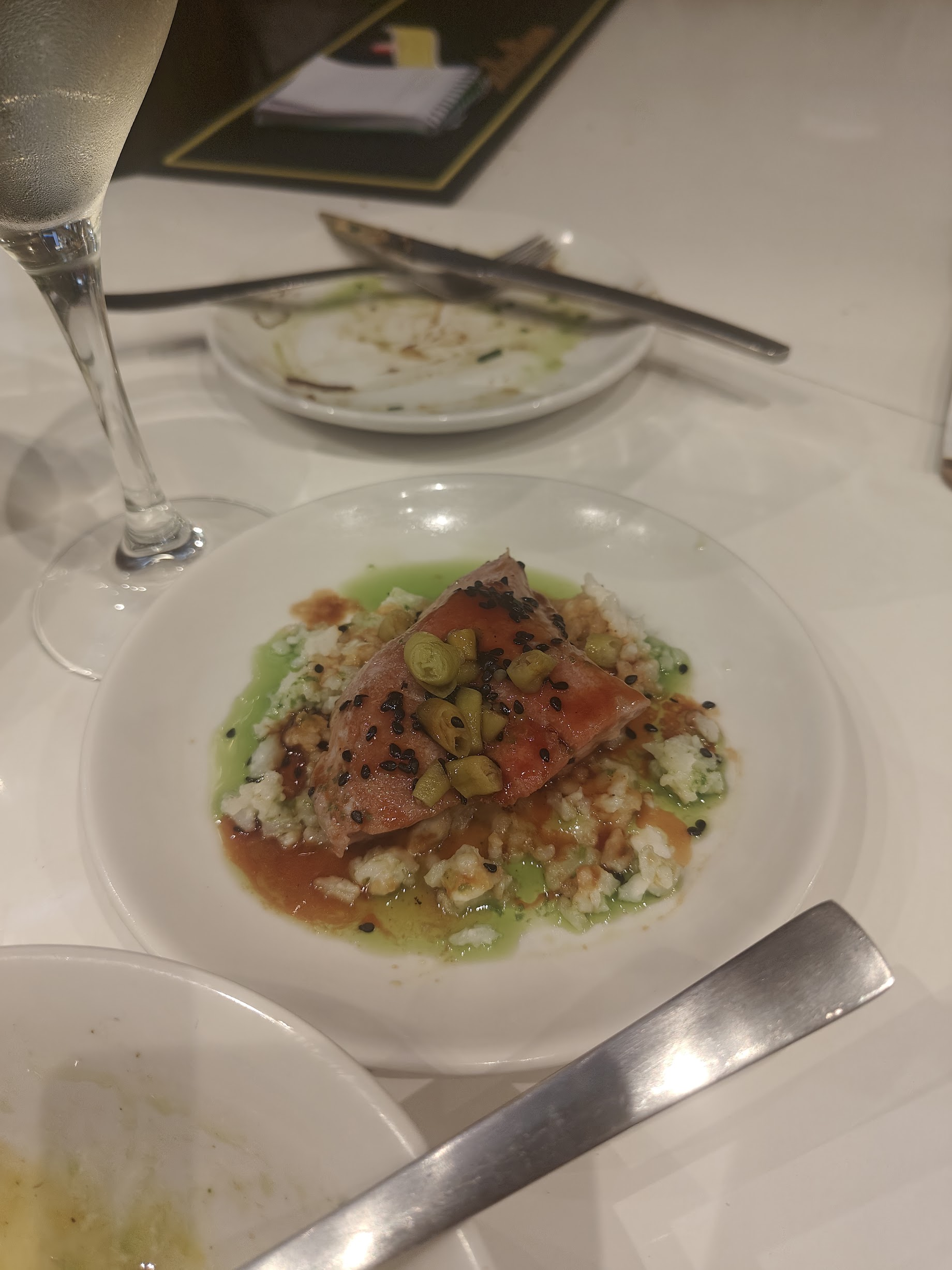
Pinchos! I ordered more than 5 dishes and they were gone too fast for pictures.
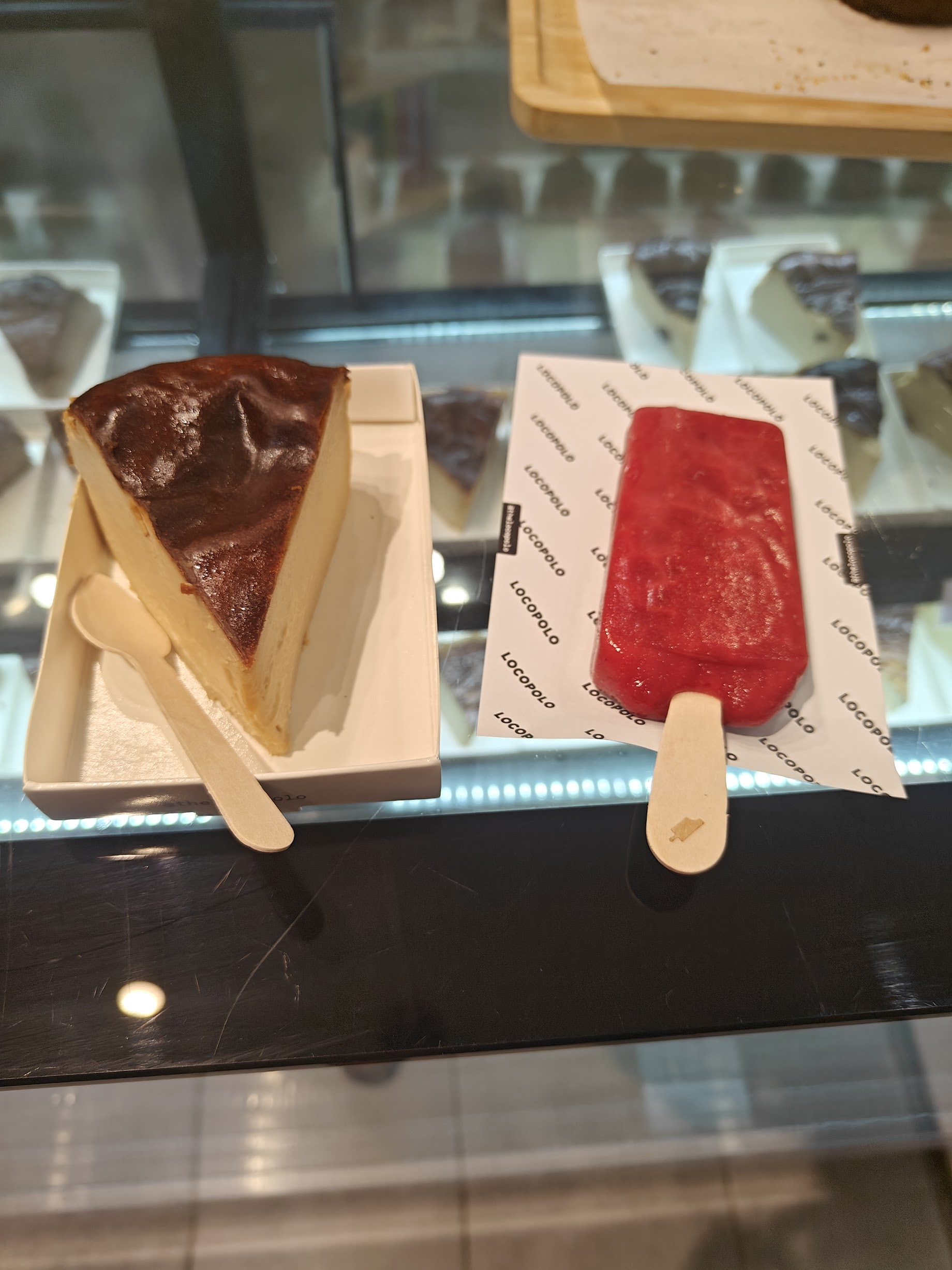
Basque cheesecake and a fruit popsicle for dessert.
Fundão
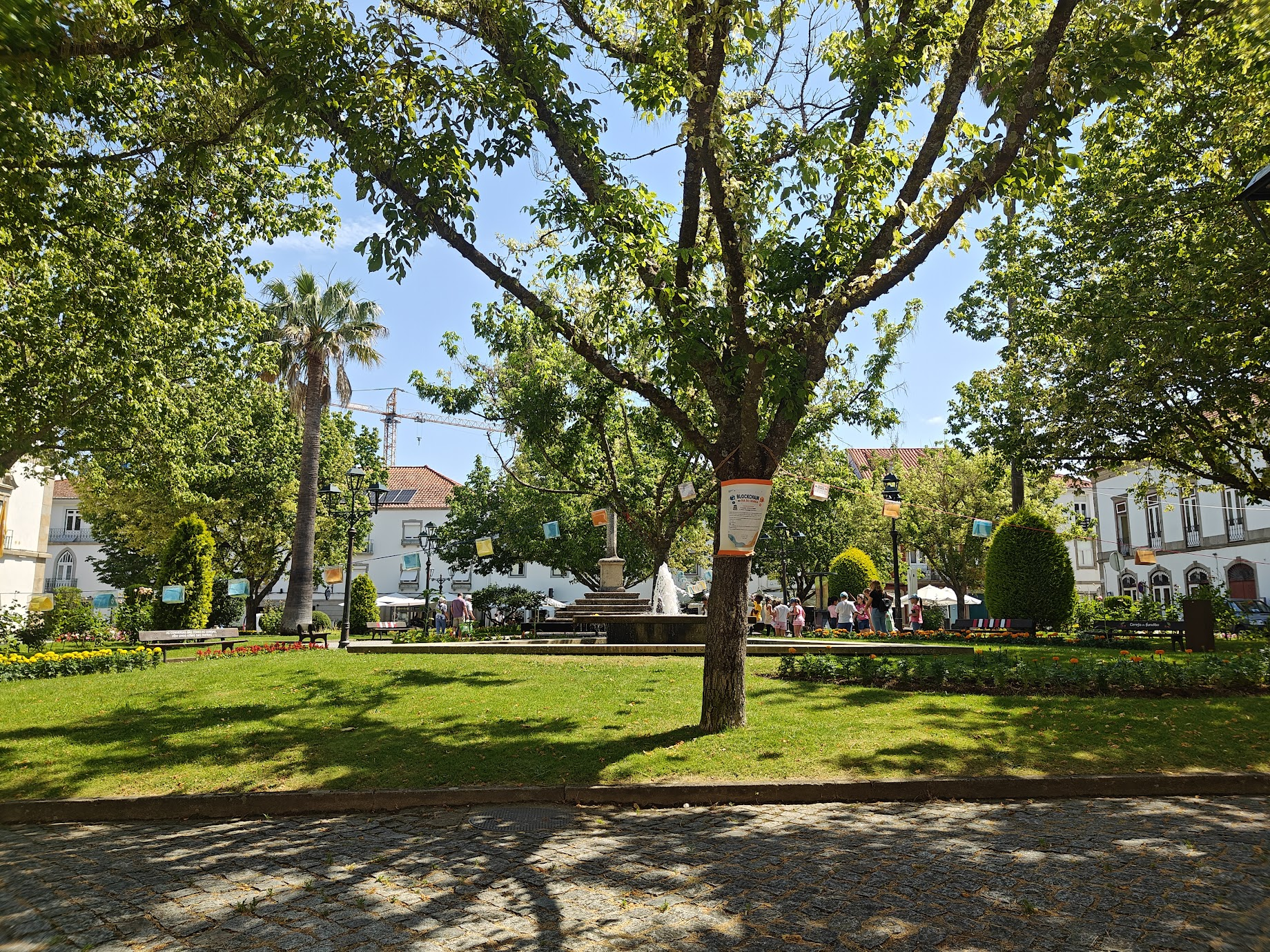
Arrived in Fundão after almost missing my bus in San Sebastián.
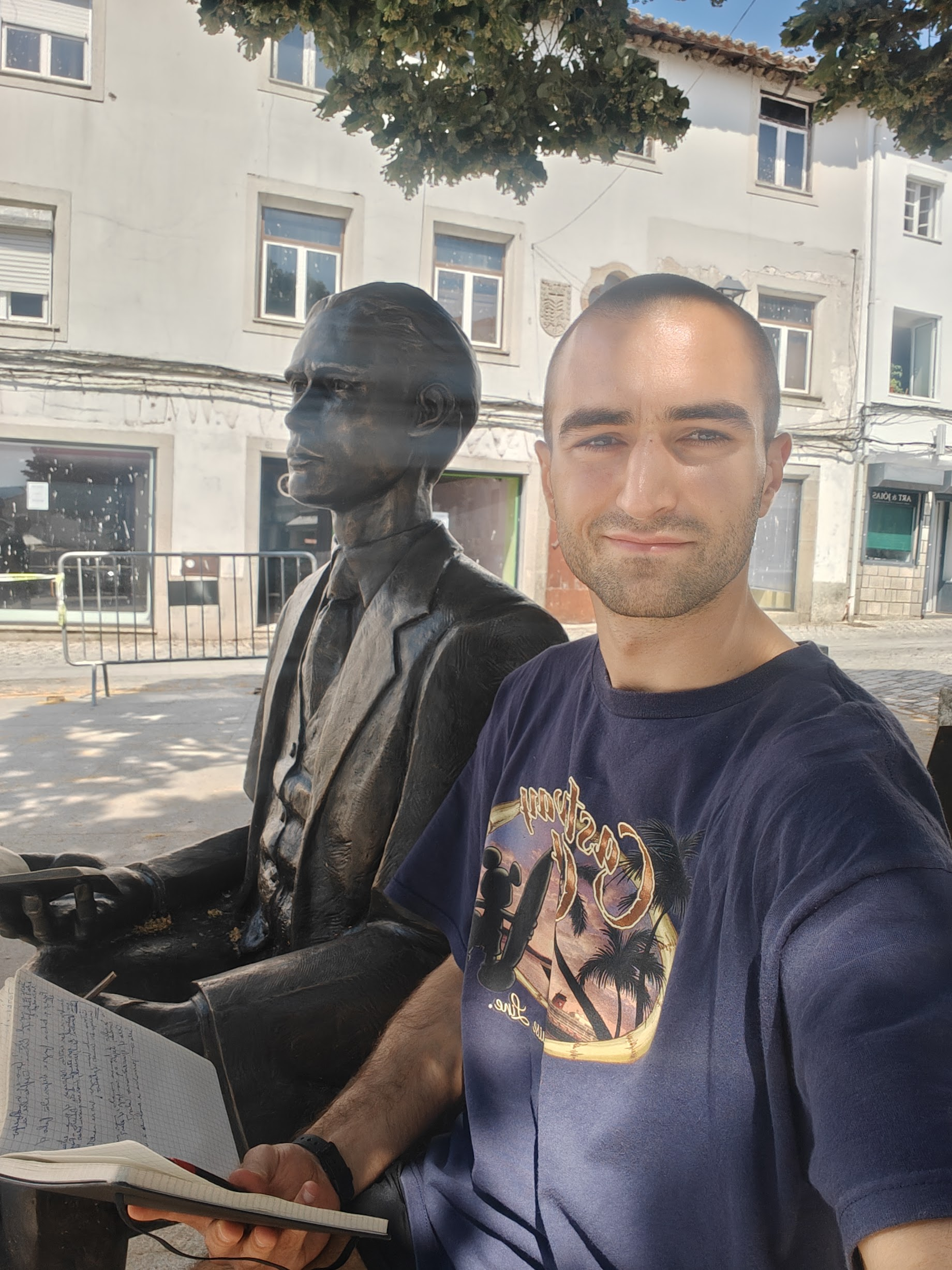
Managed to see the statue of José Alves Monteiro, my great-grandfather.
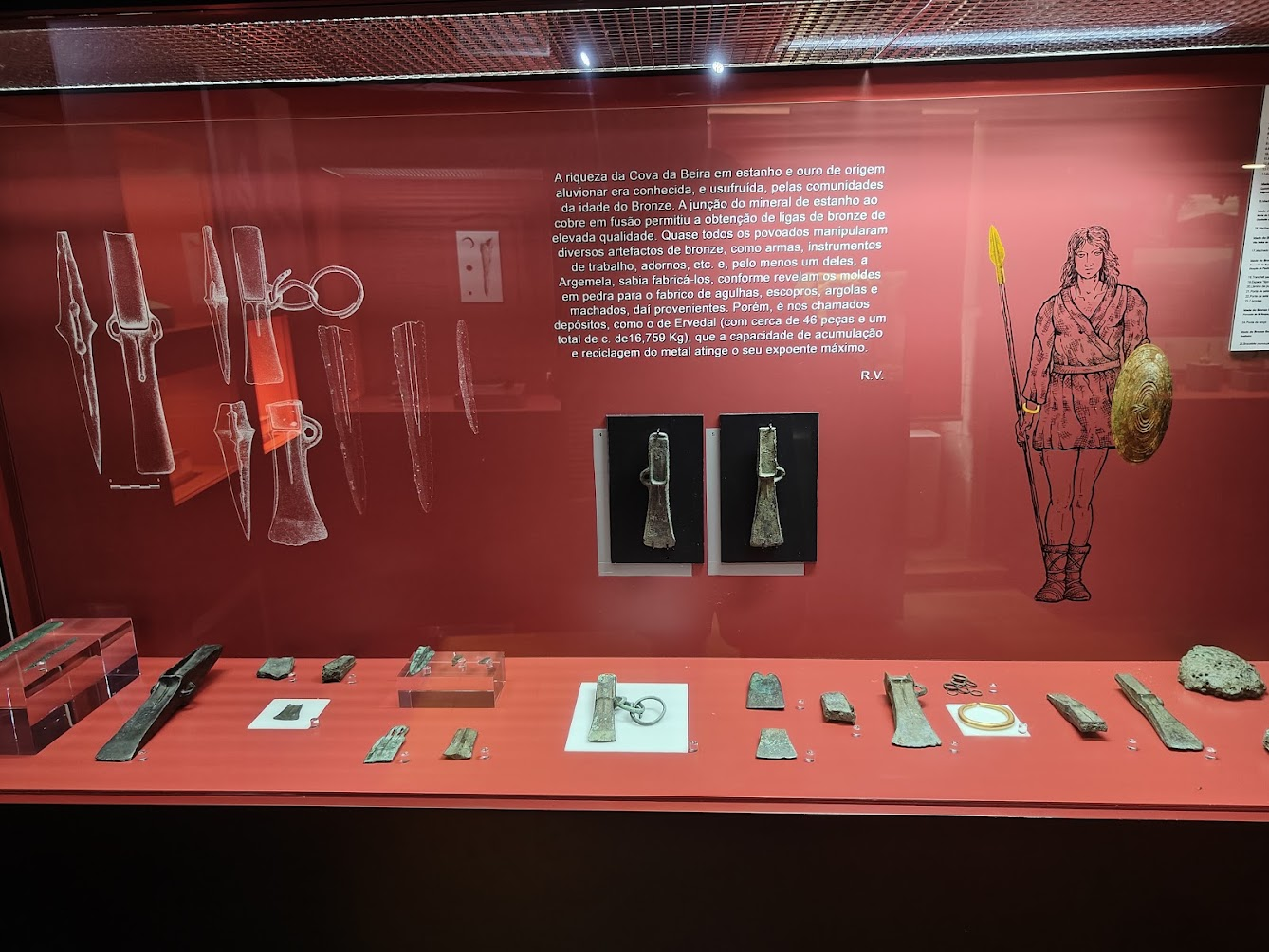
At Museu Arqueológico José Monteiro.
Waking Life
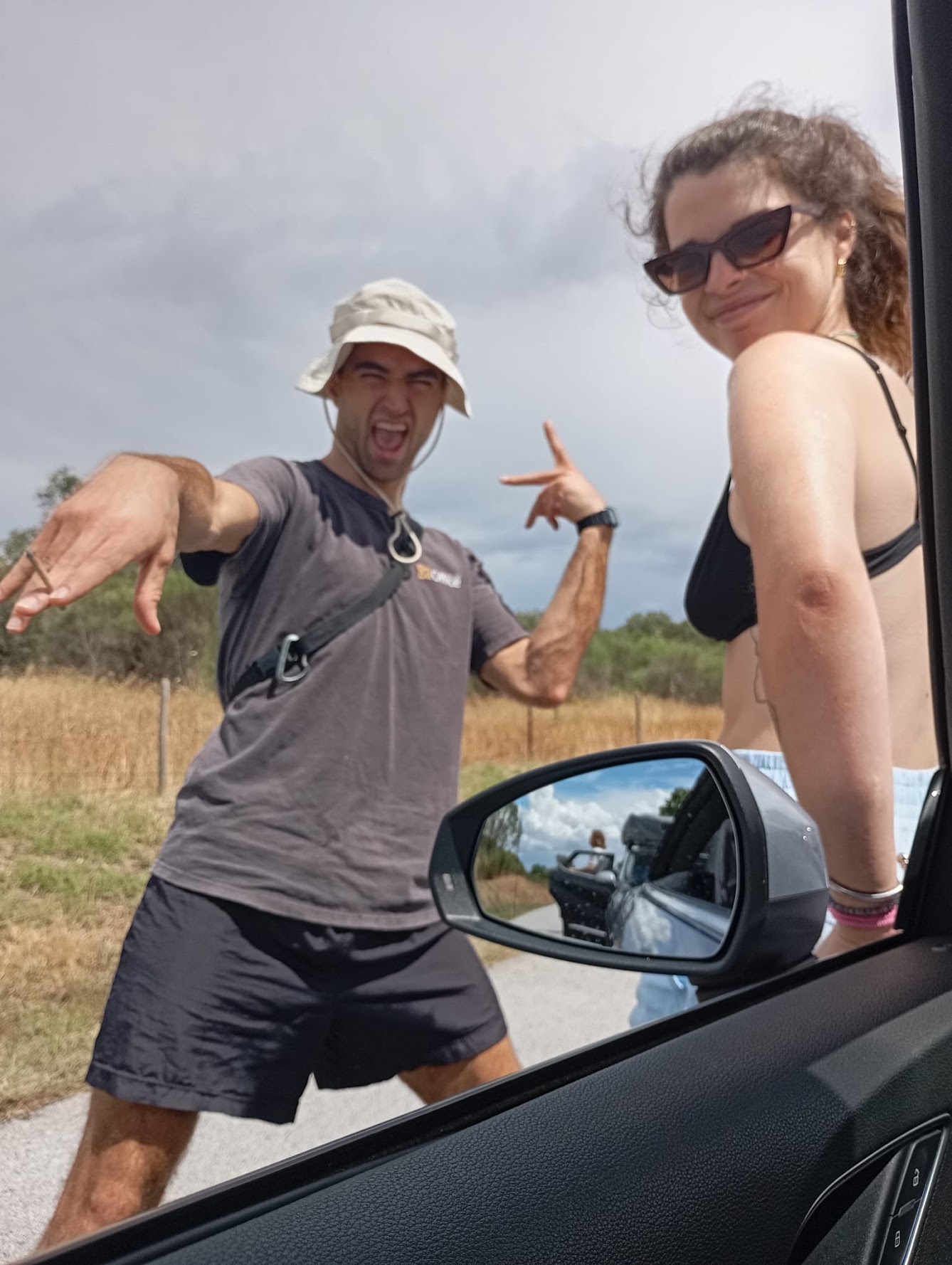
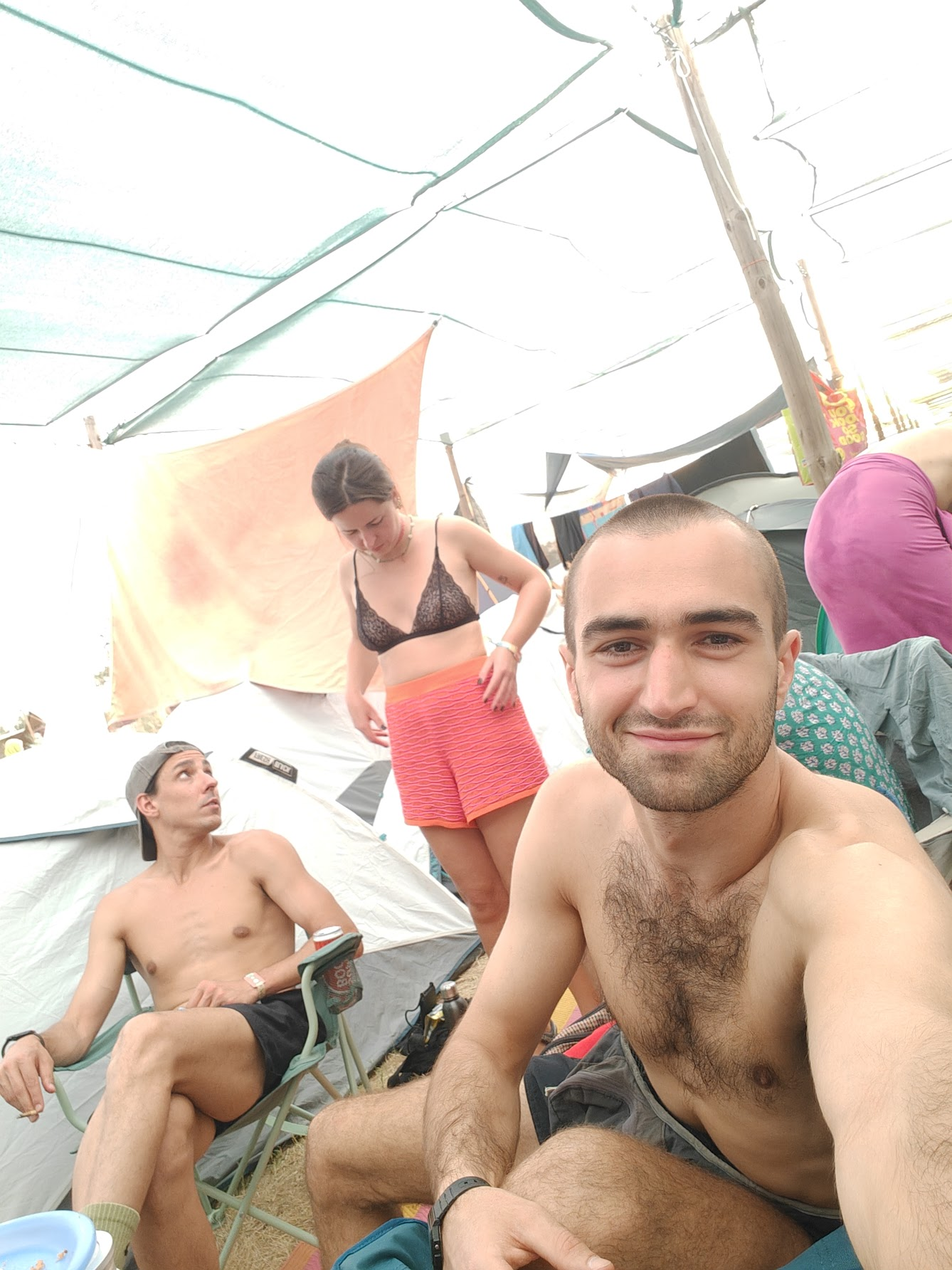
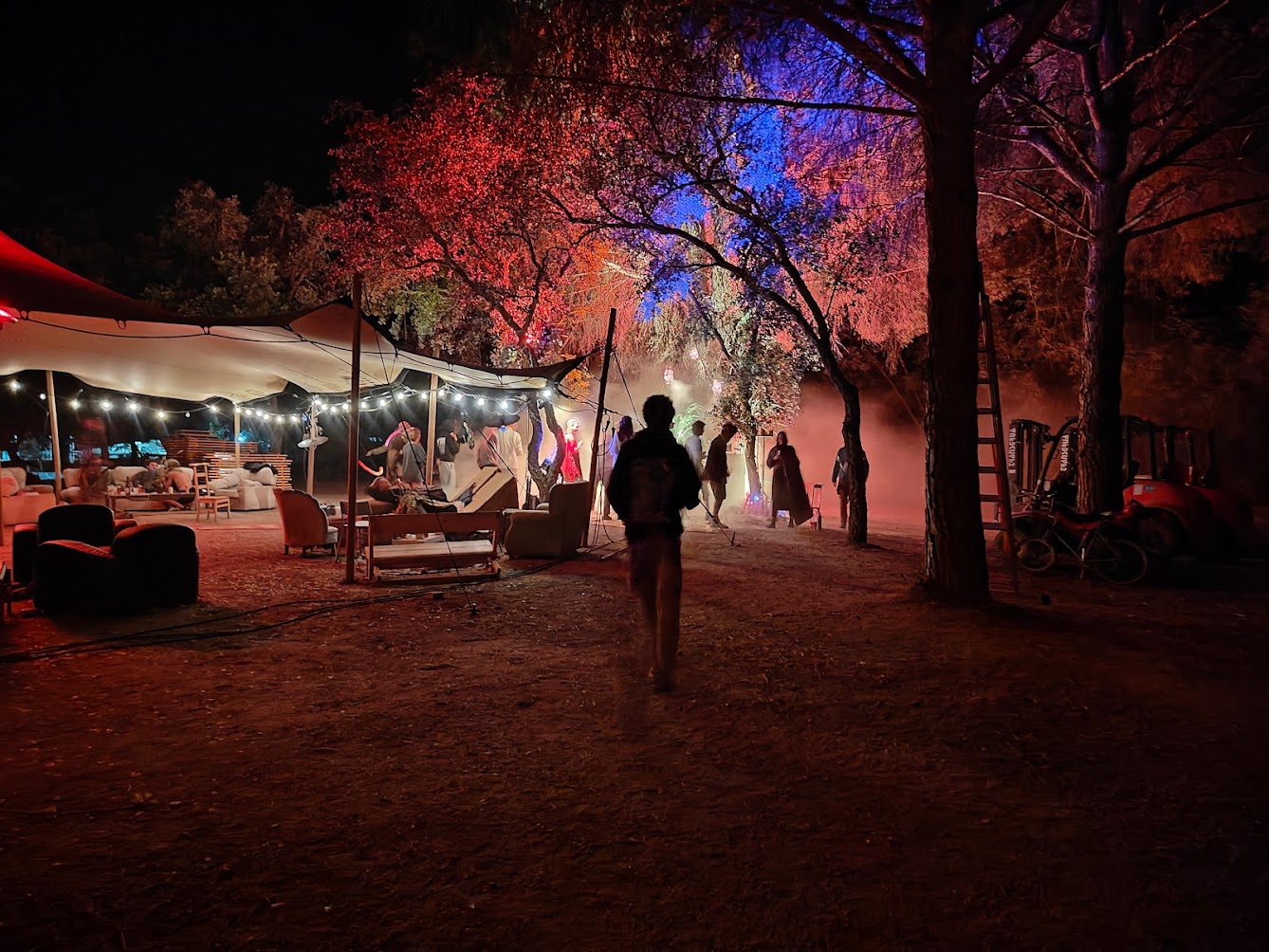
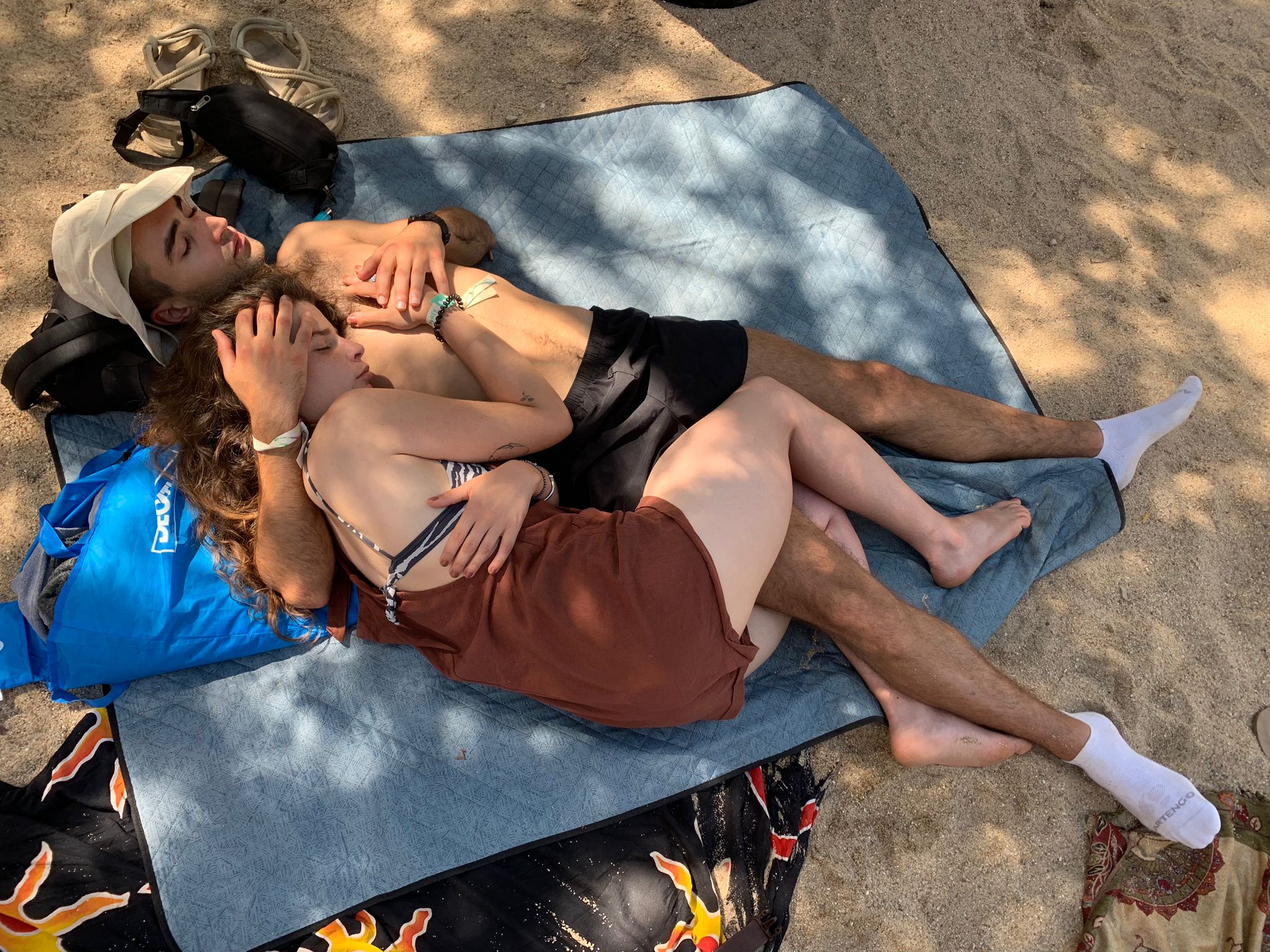
Arrived at the campsite at Waking Life.
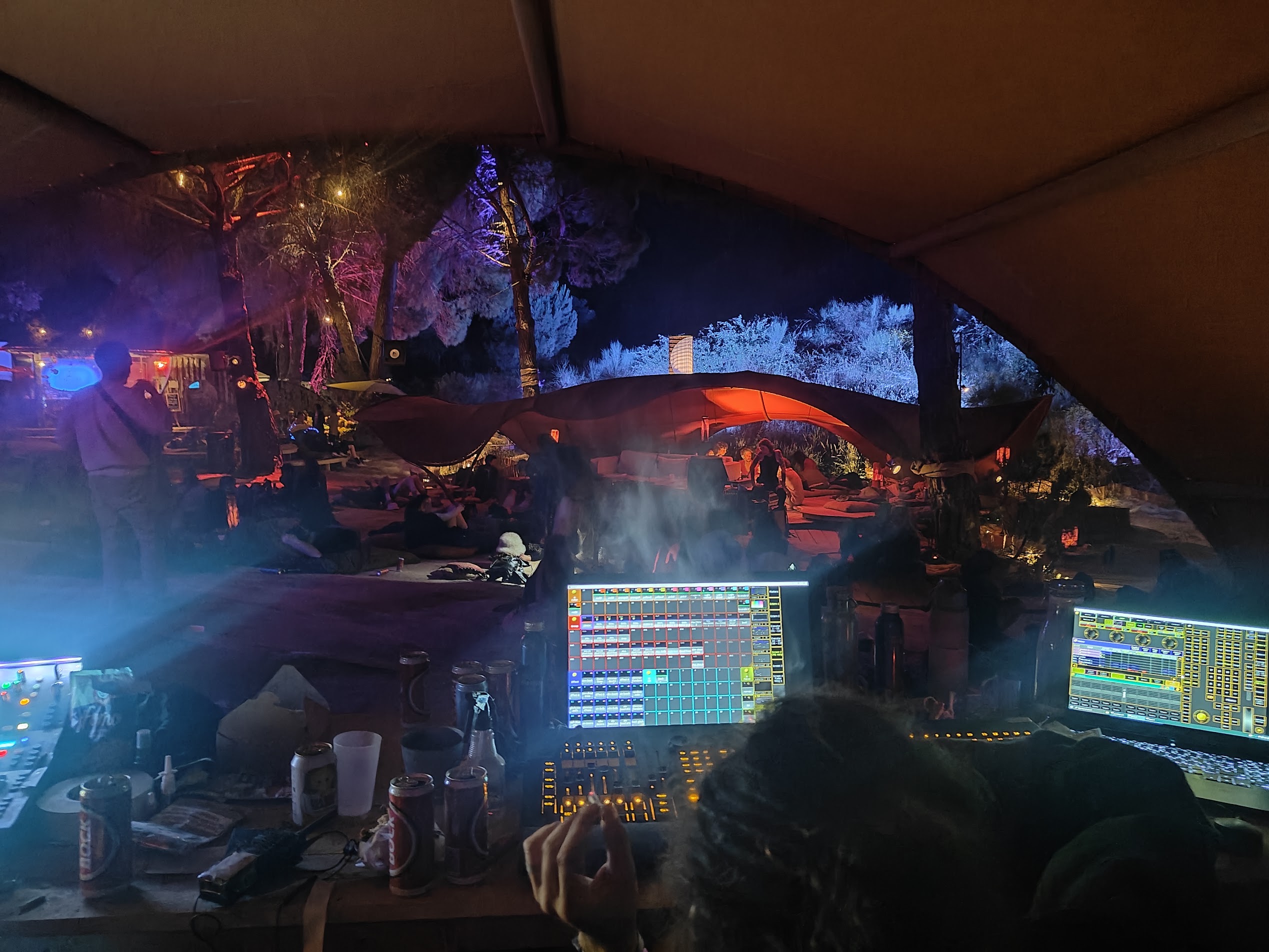
This year the musical highlights for me were Marcelle, Bonga and of course Selv Ikei.
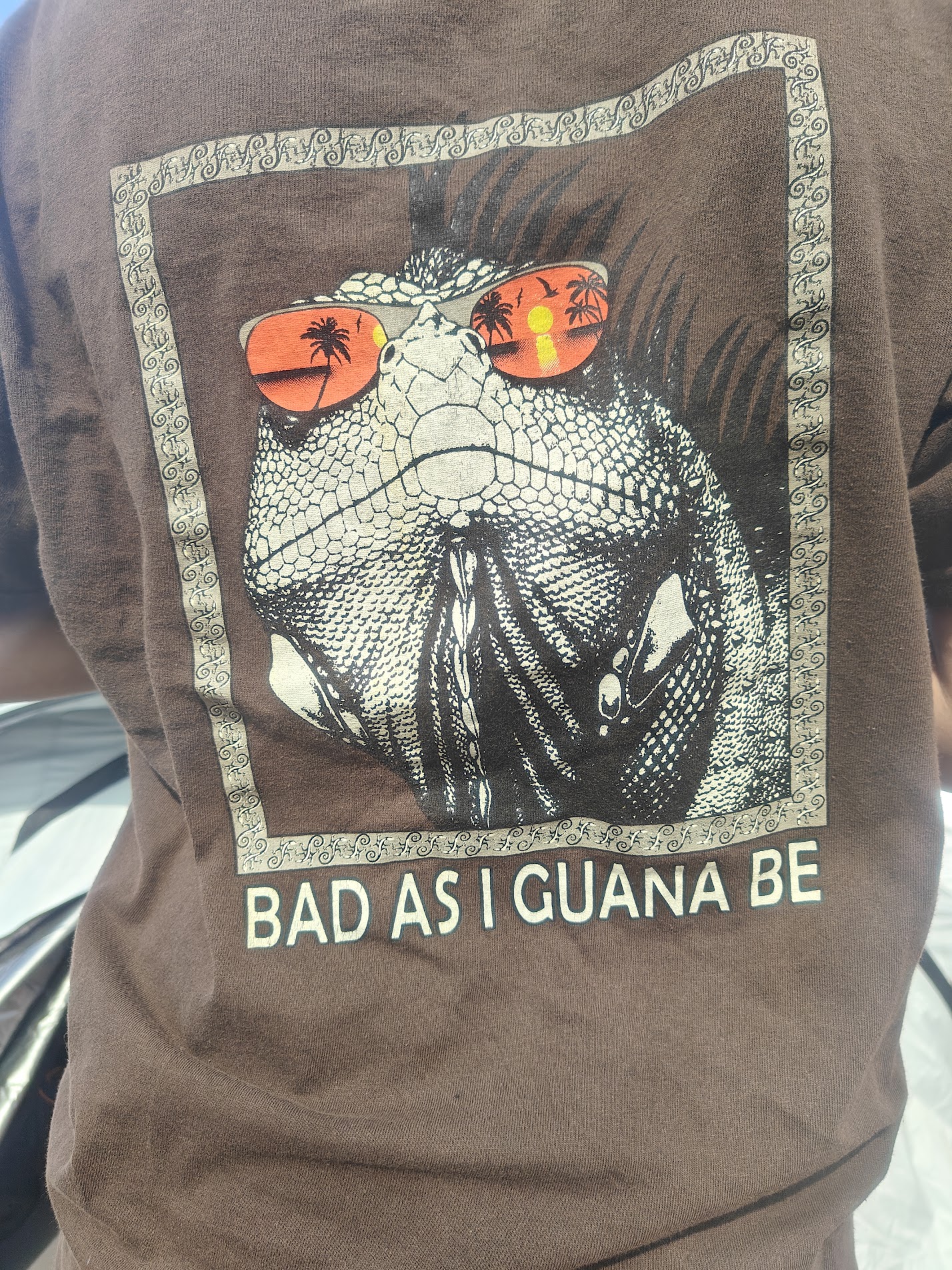
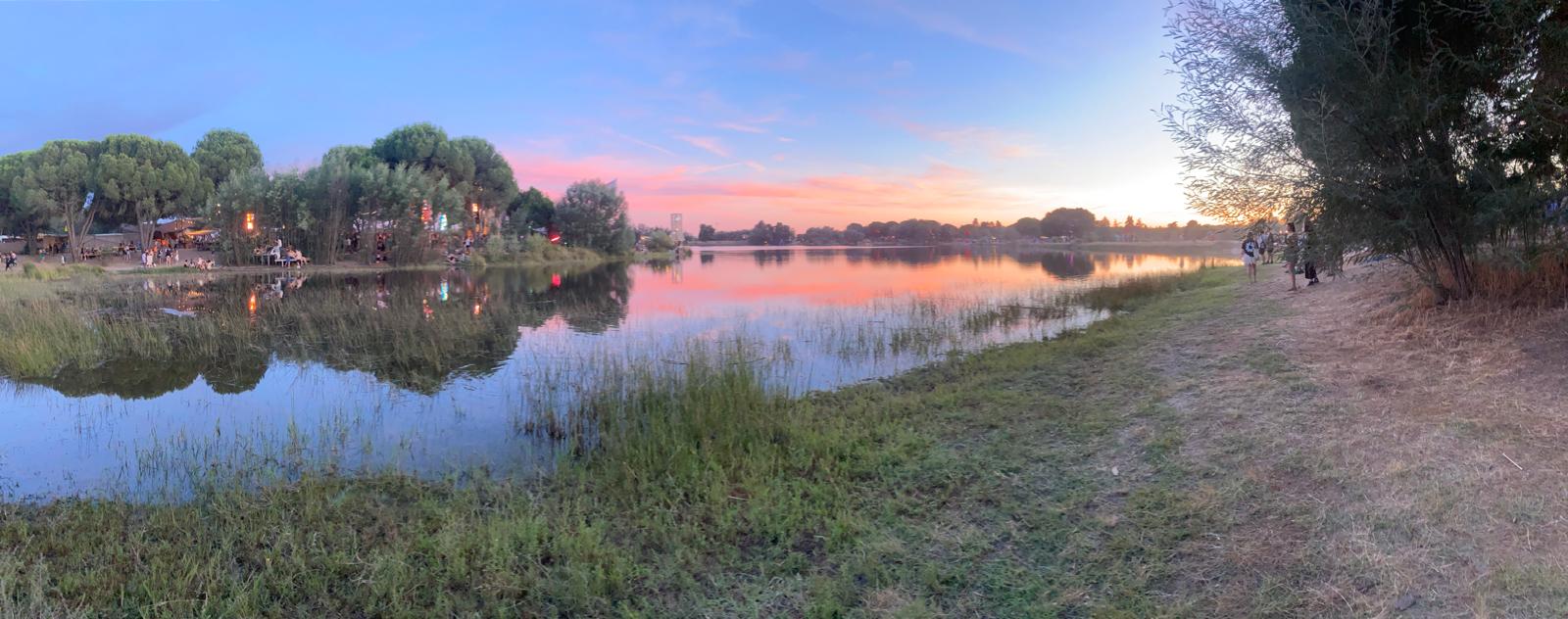
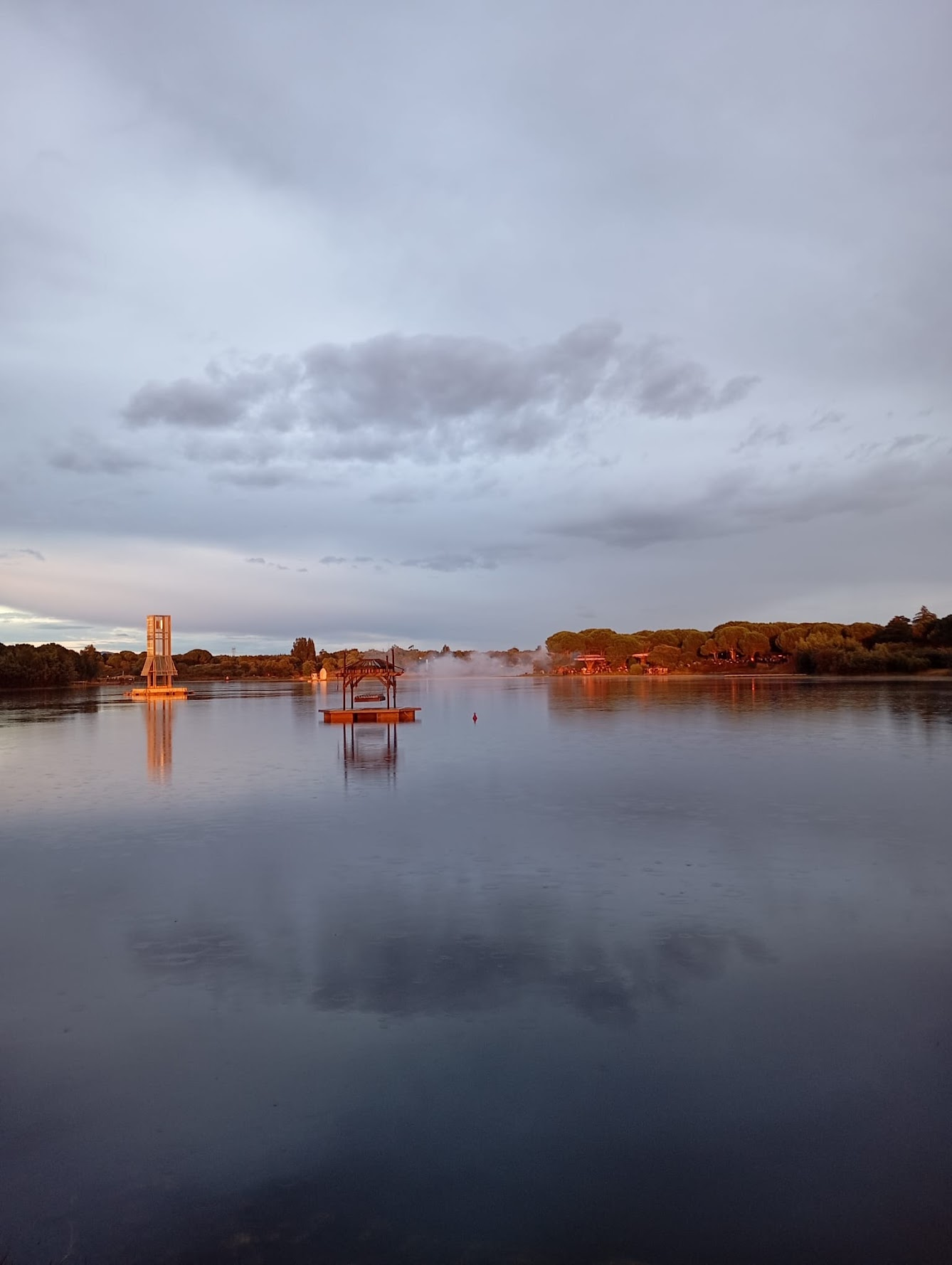
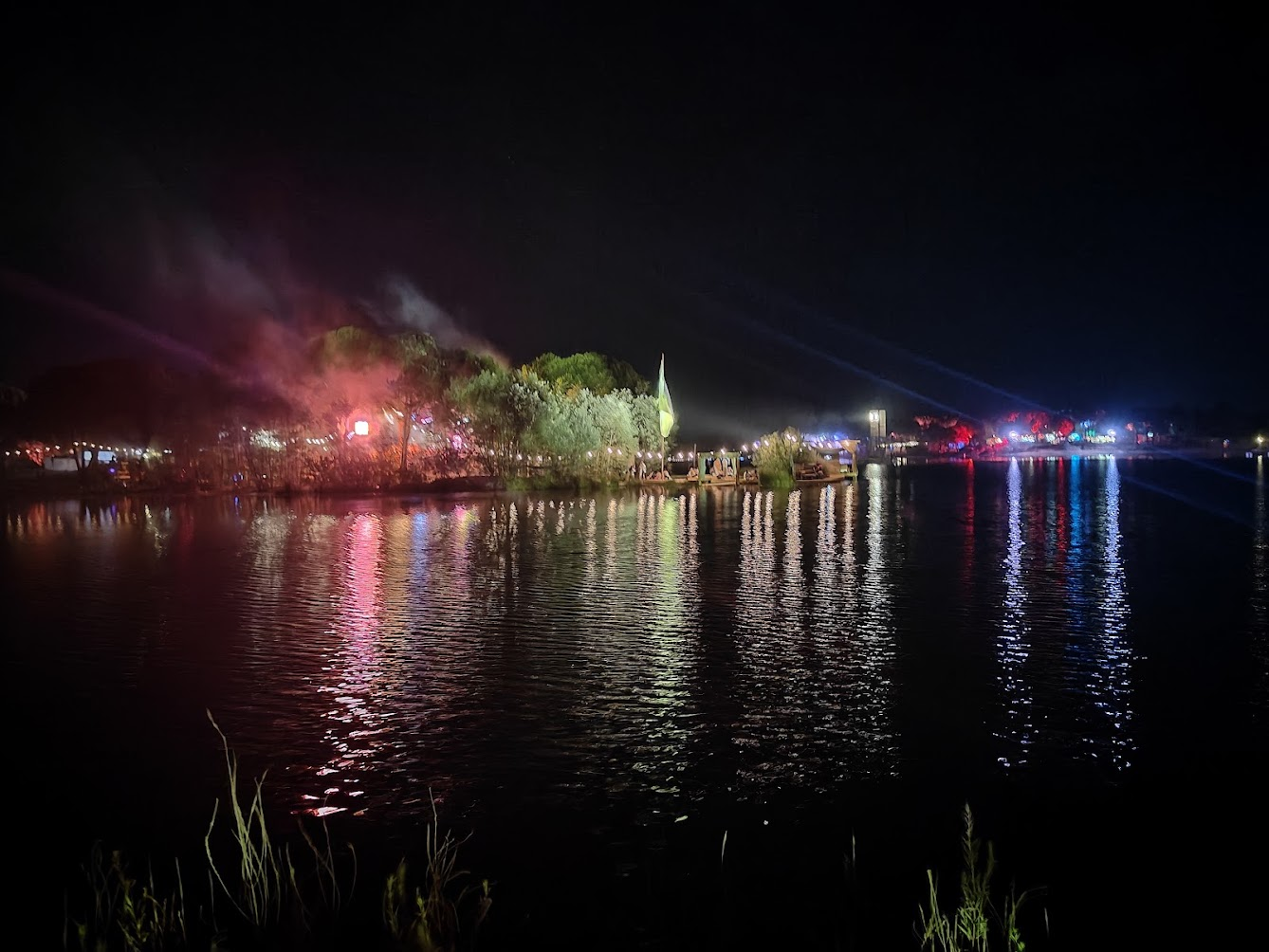
My birthday party
After Waking Life, as tradition demands, we made some pre birthday party cleaning.
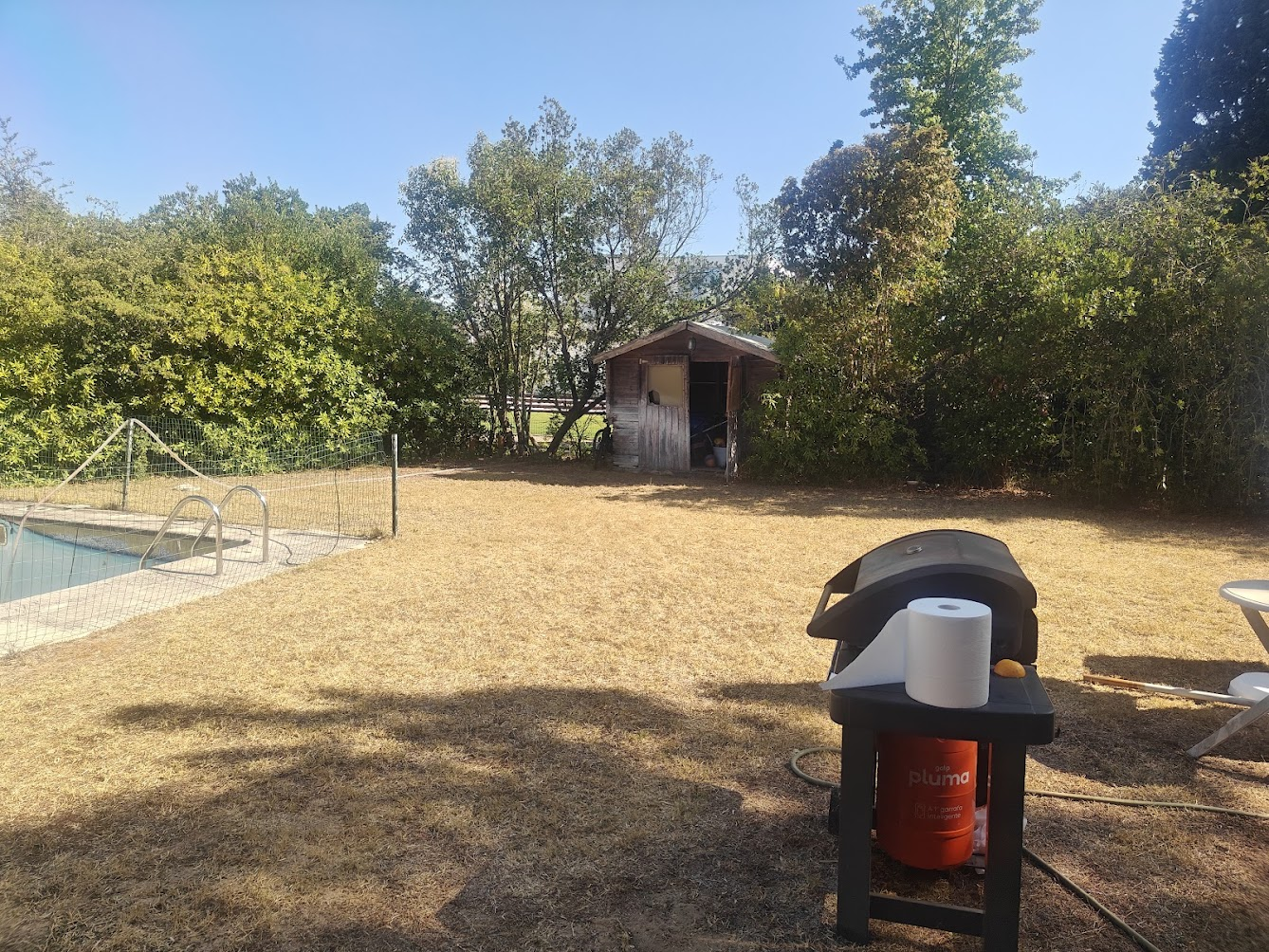
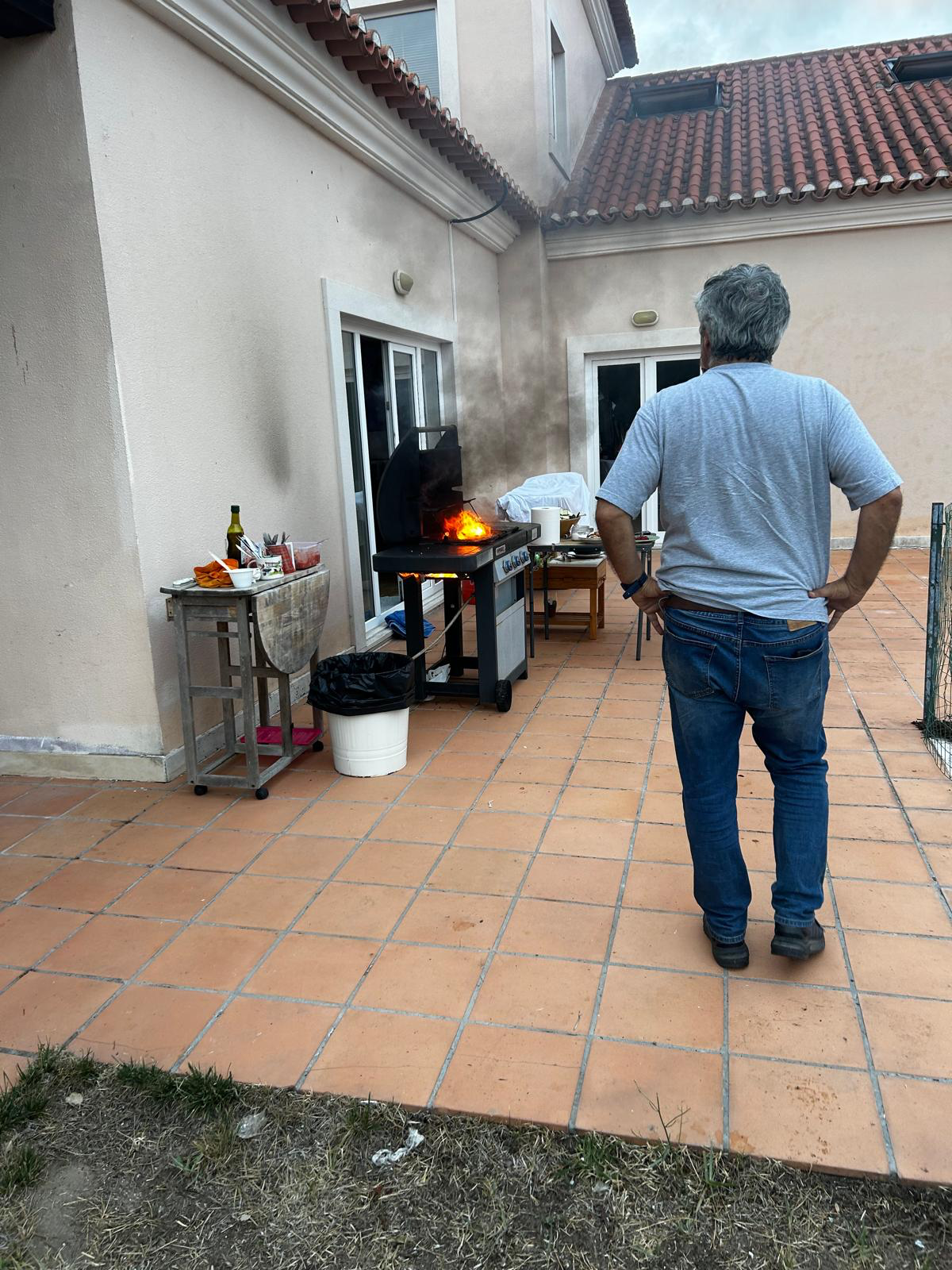
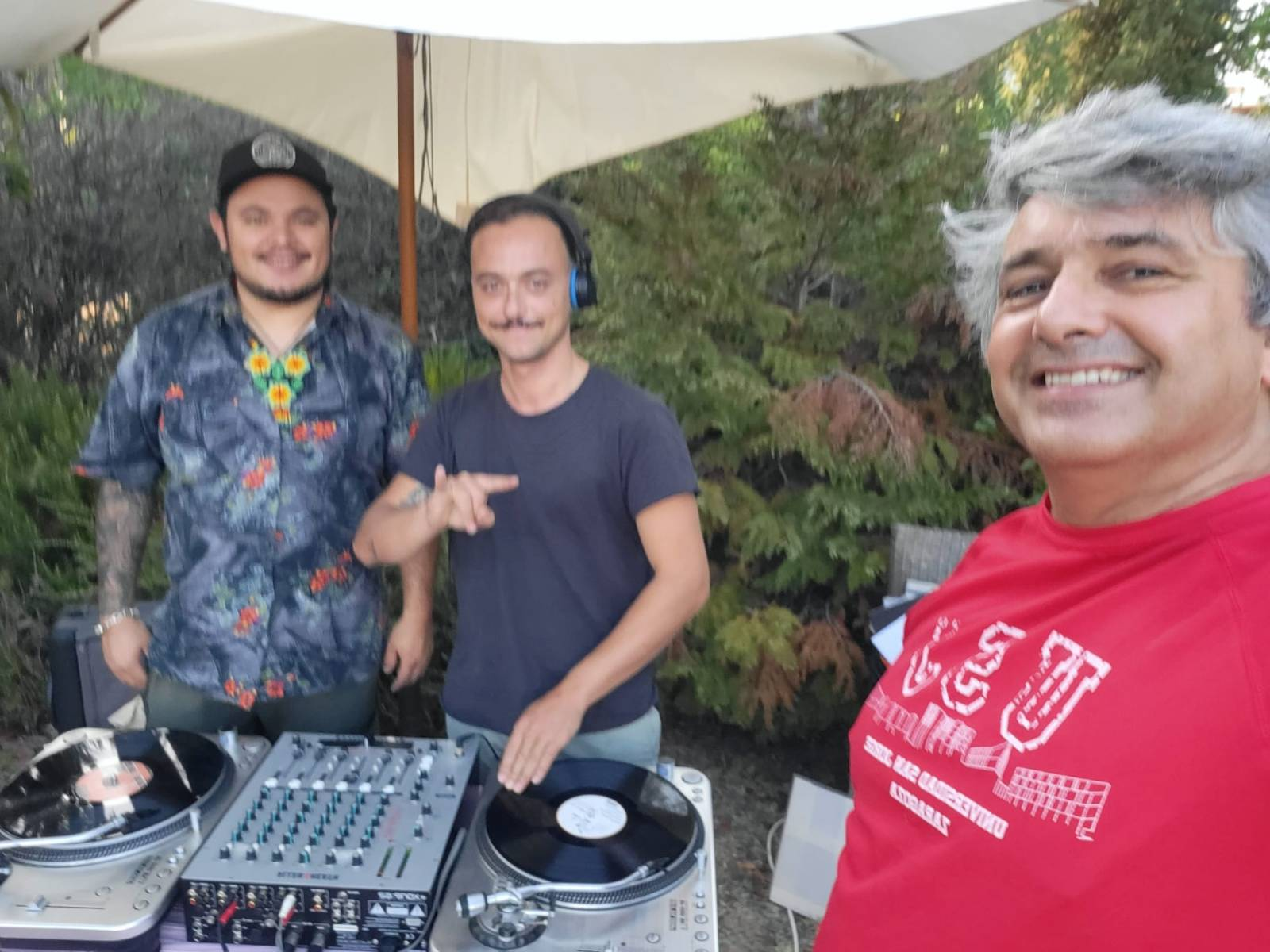
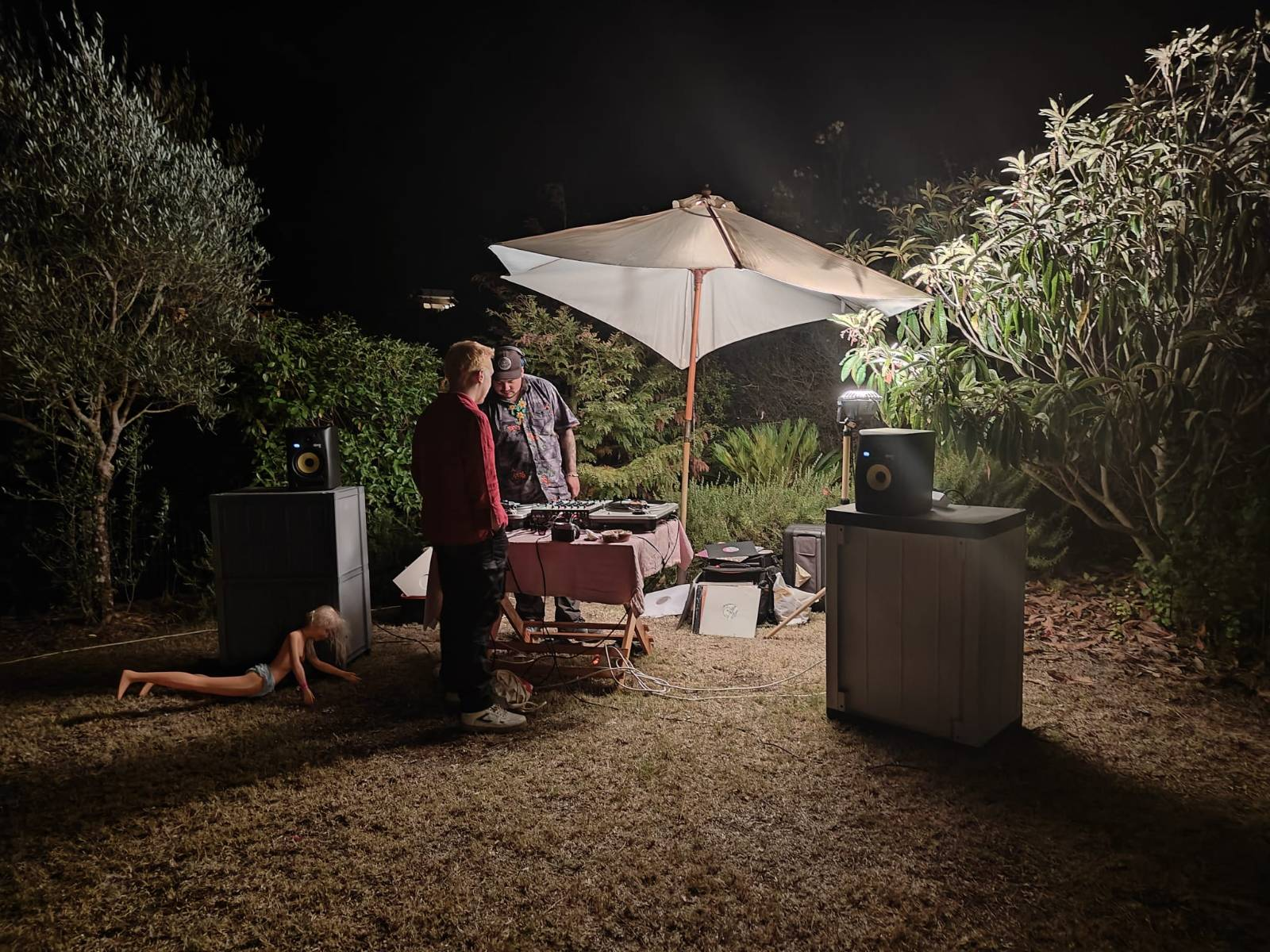
My birthday party.
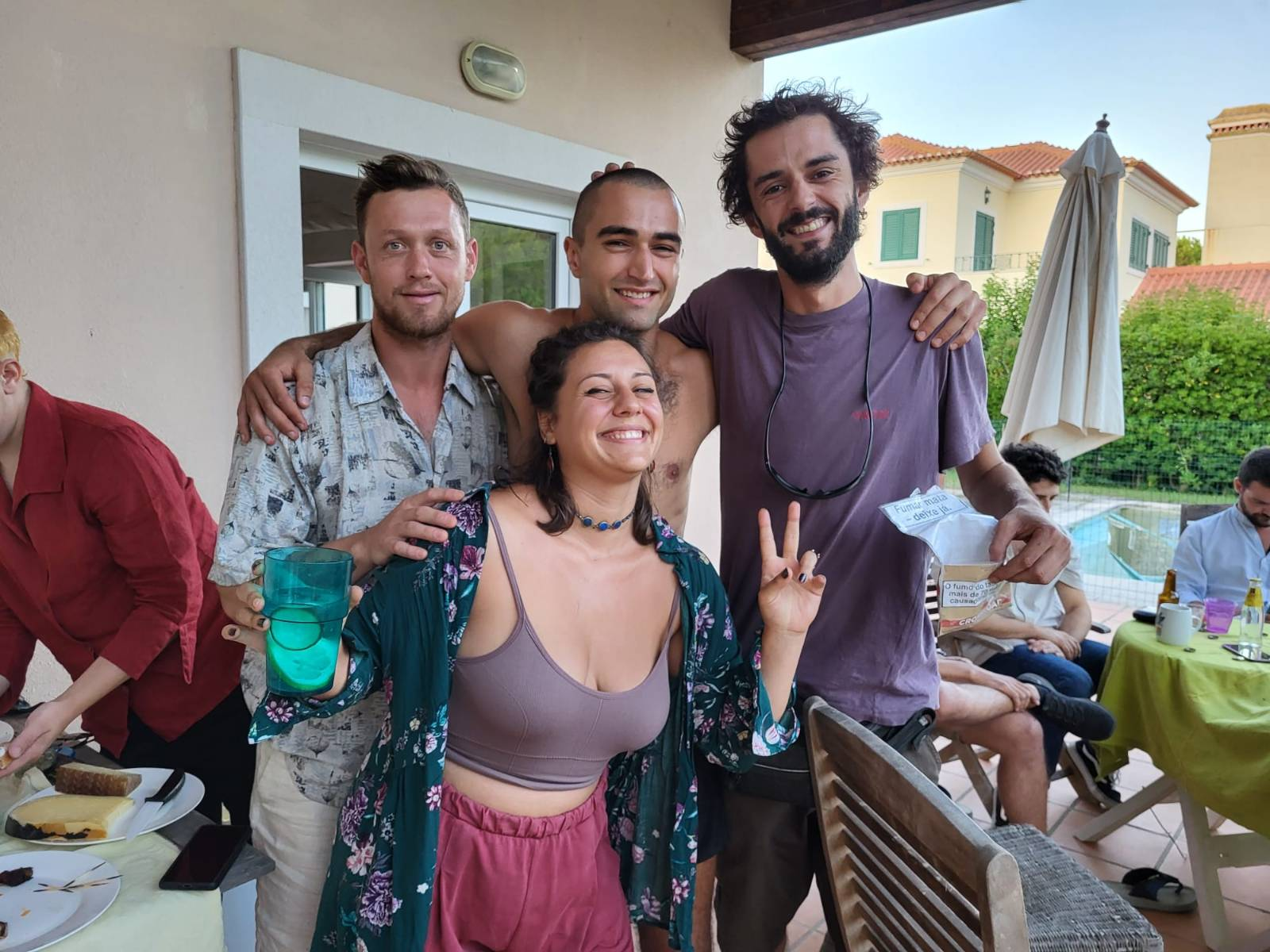
Great music and great friends.
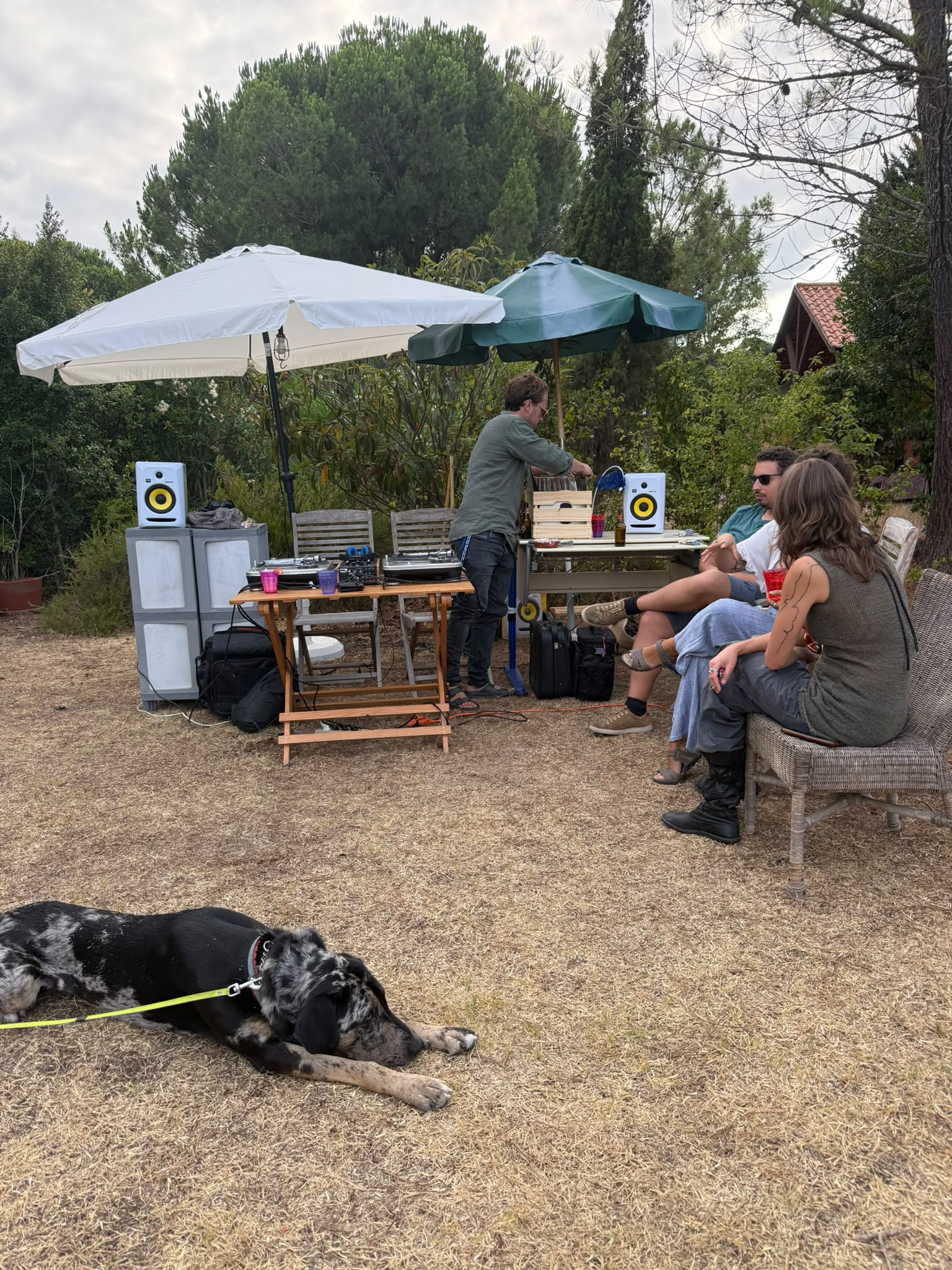
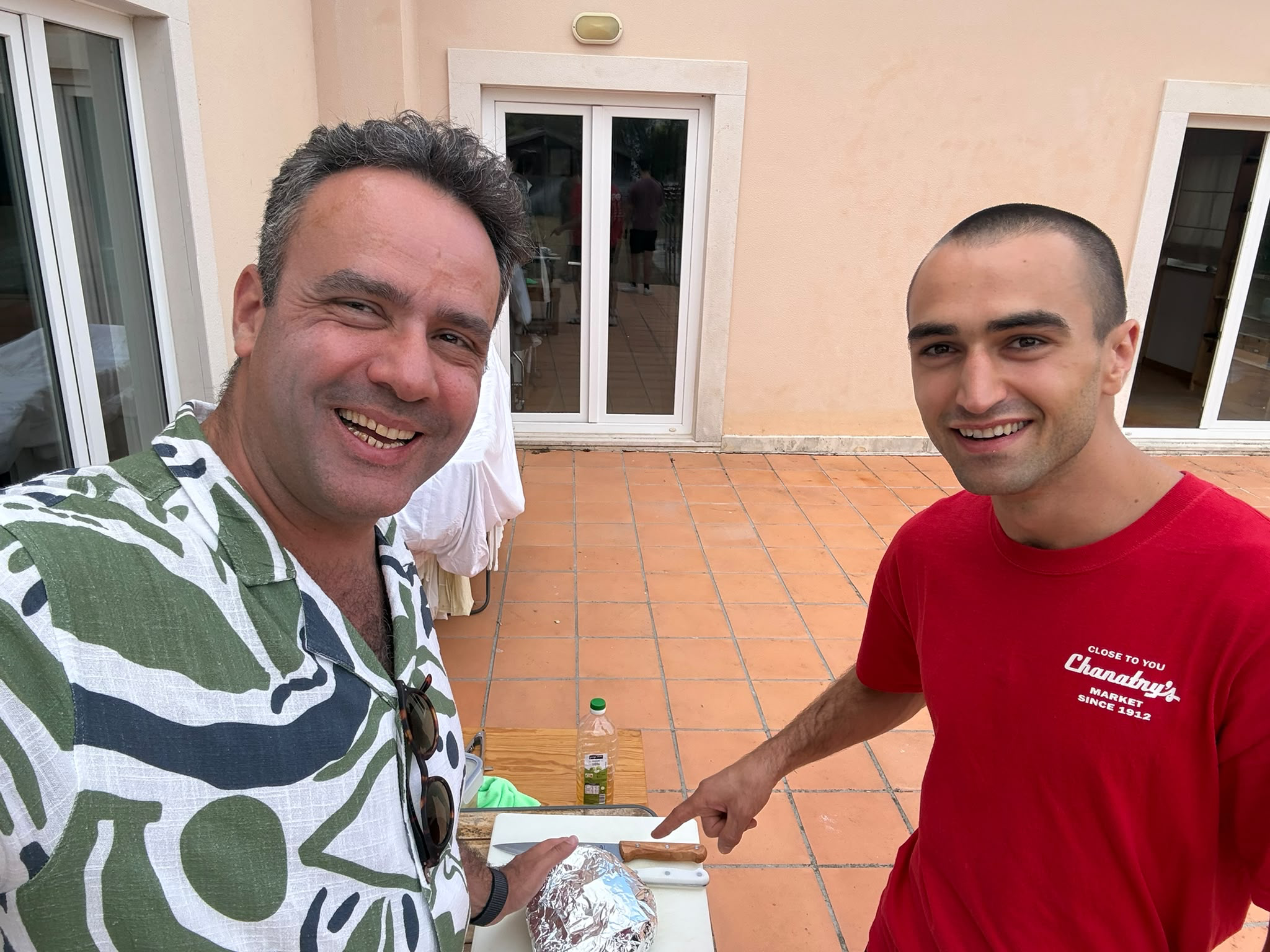
The party was so good it caught fire.
Friends and family
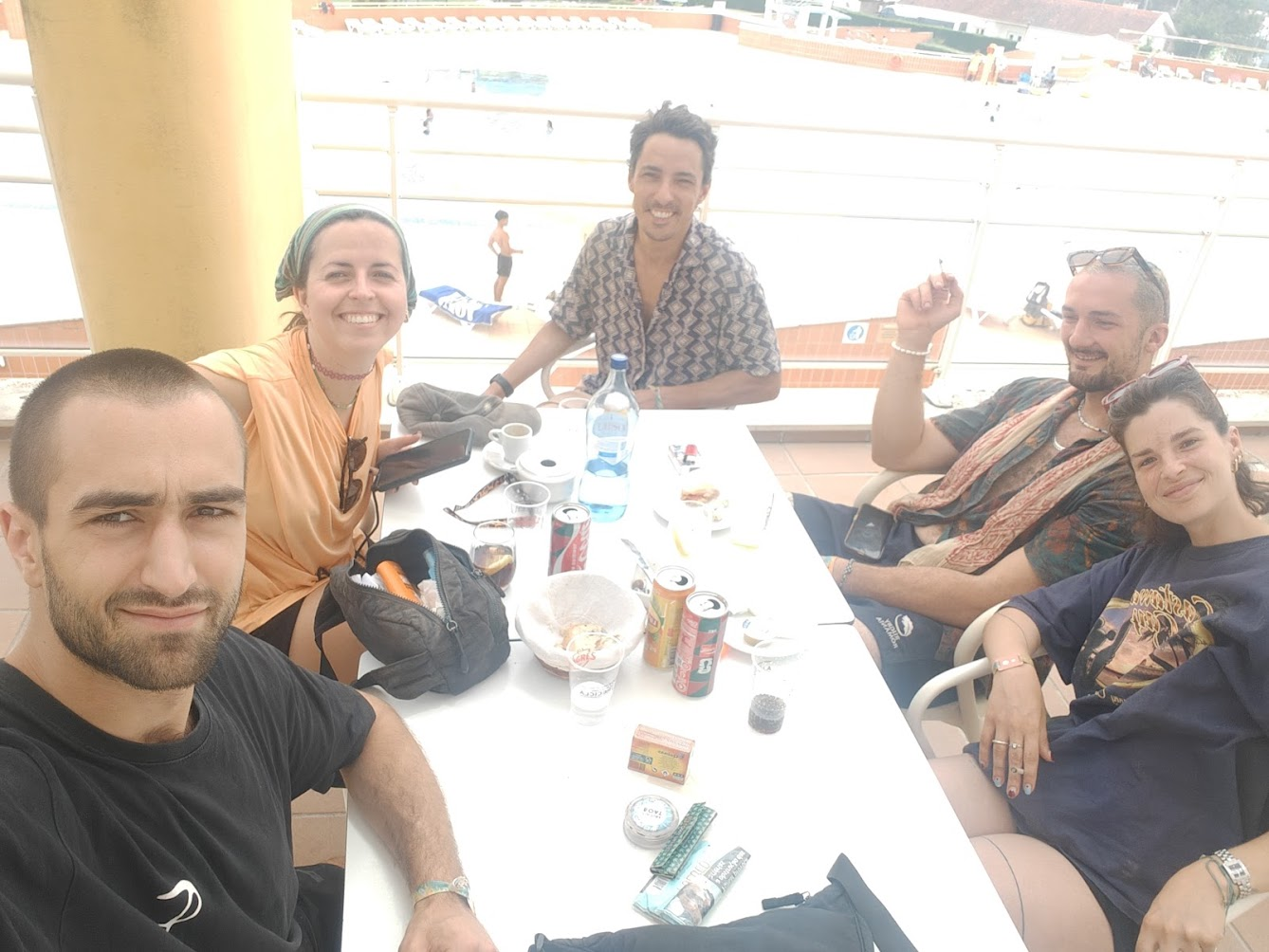
Spending time with my friends.
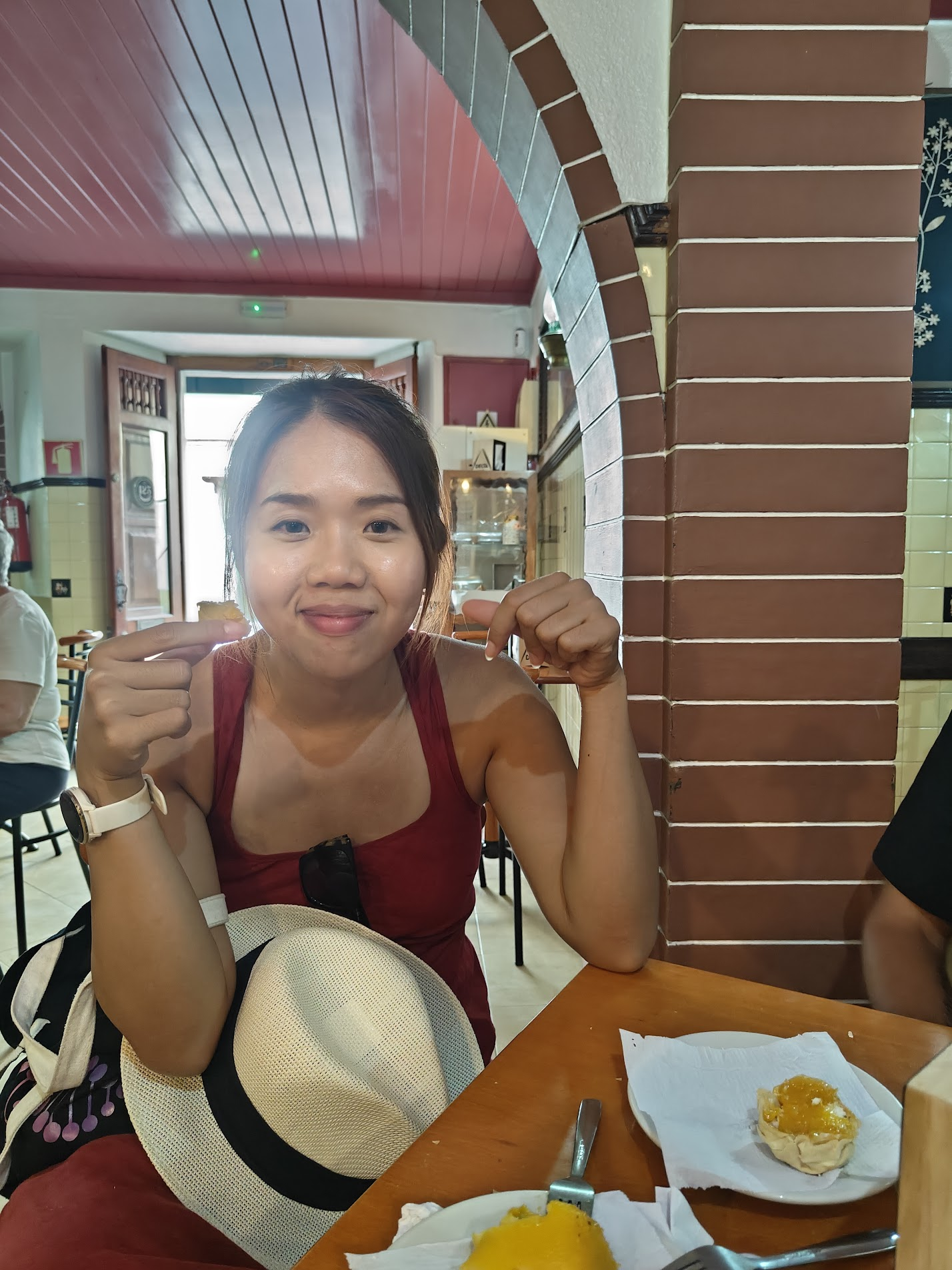
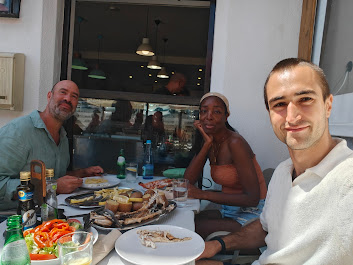
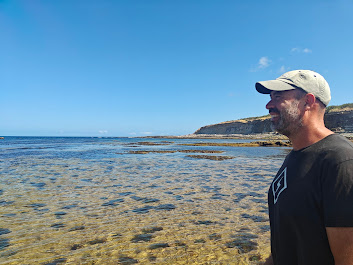
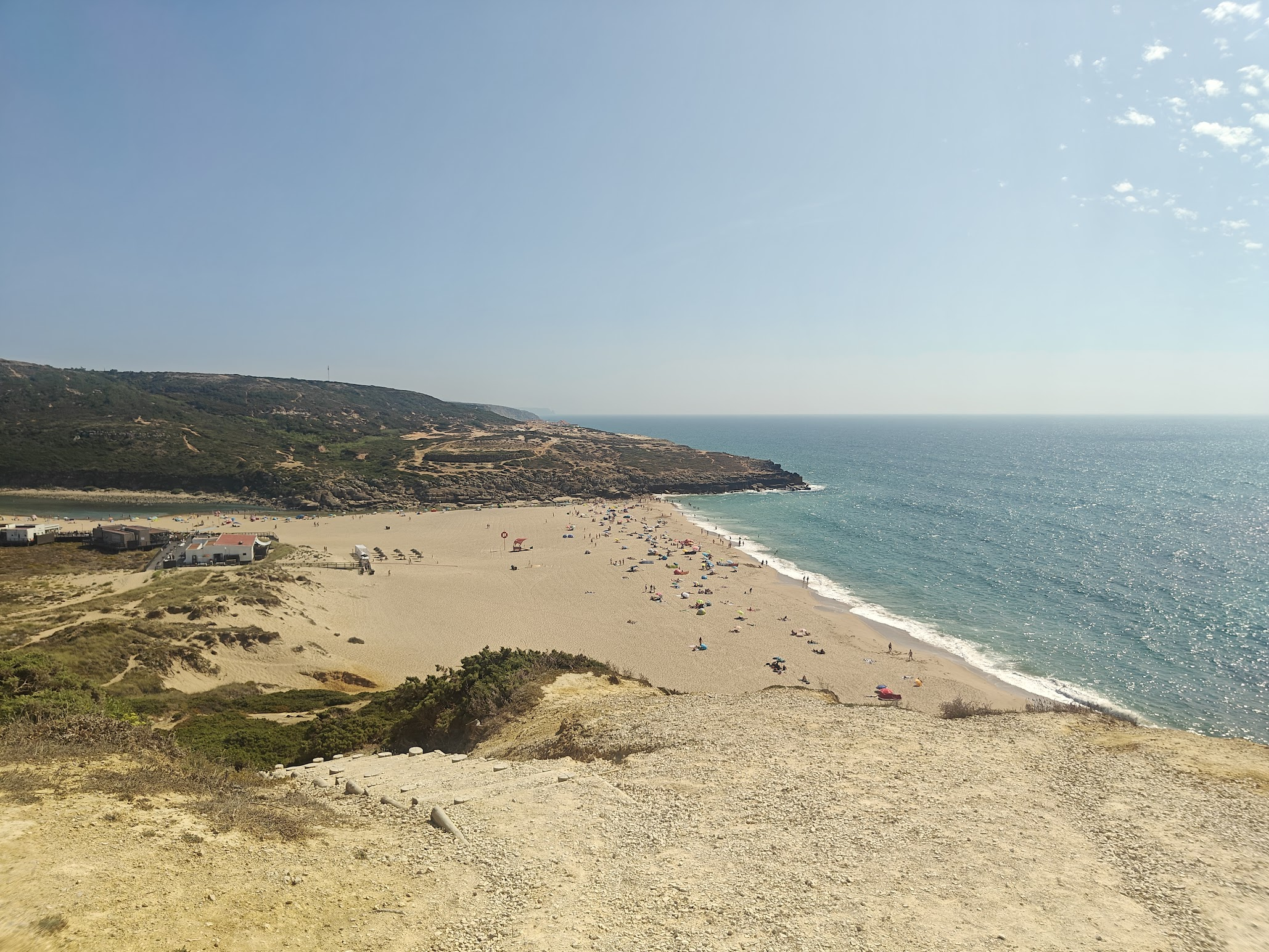
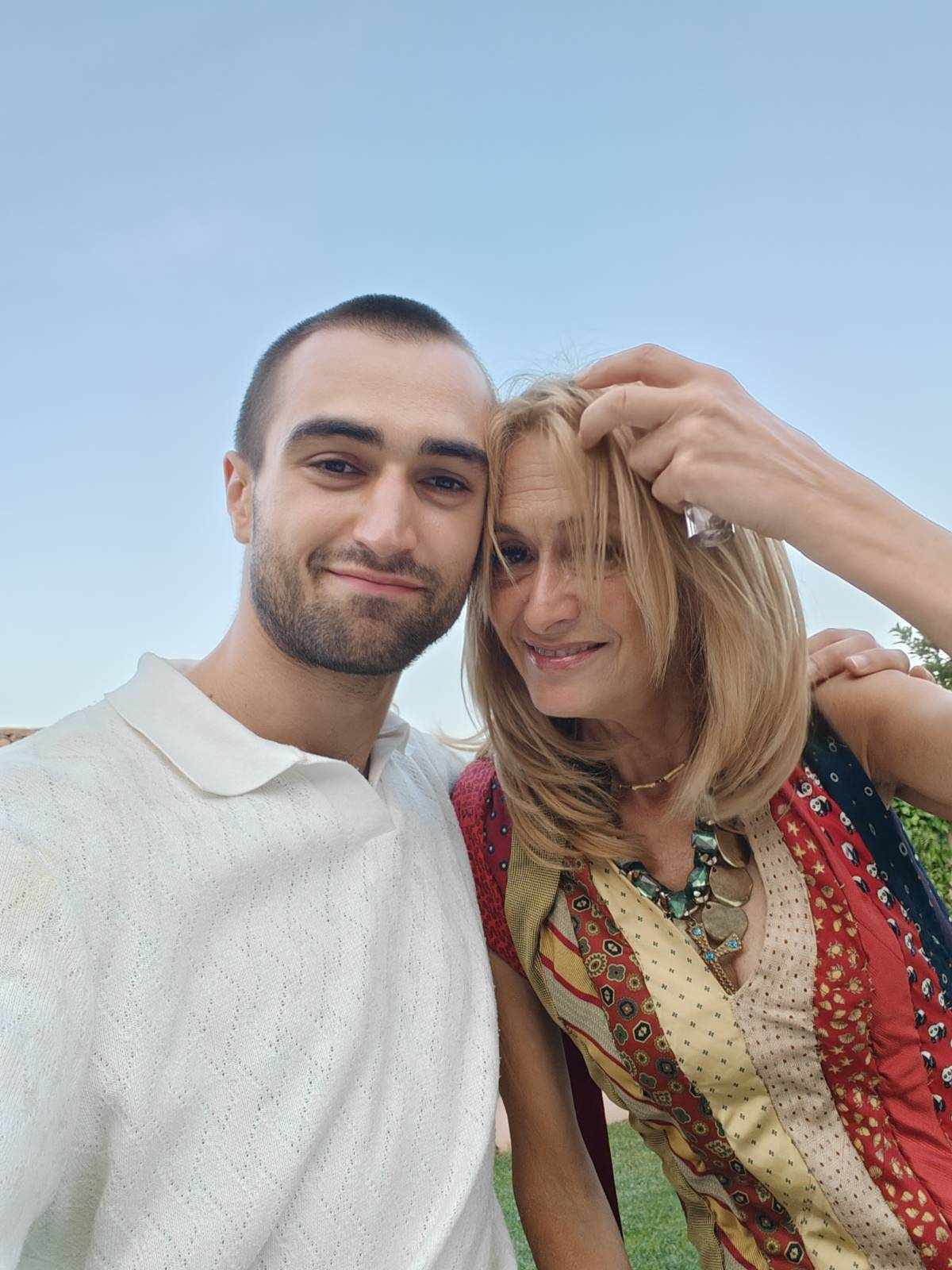
Spending time with my Mom.
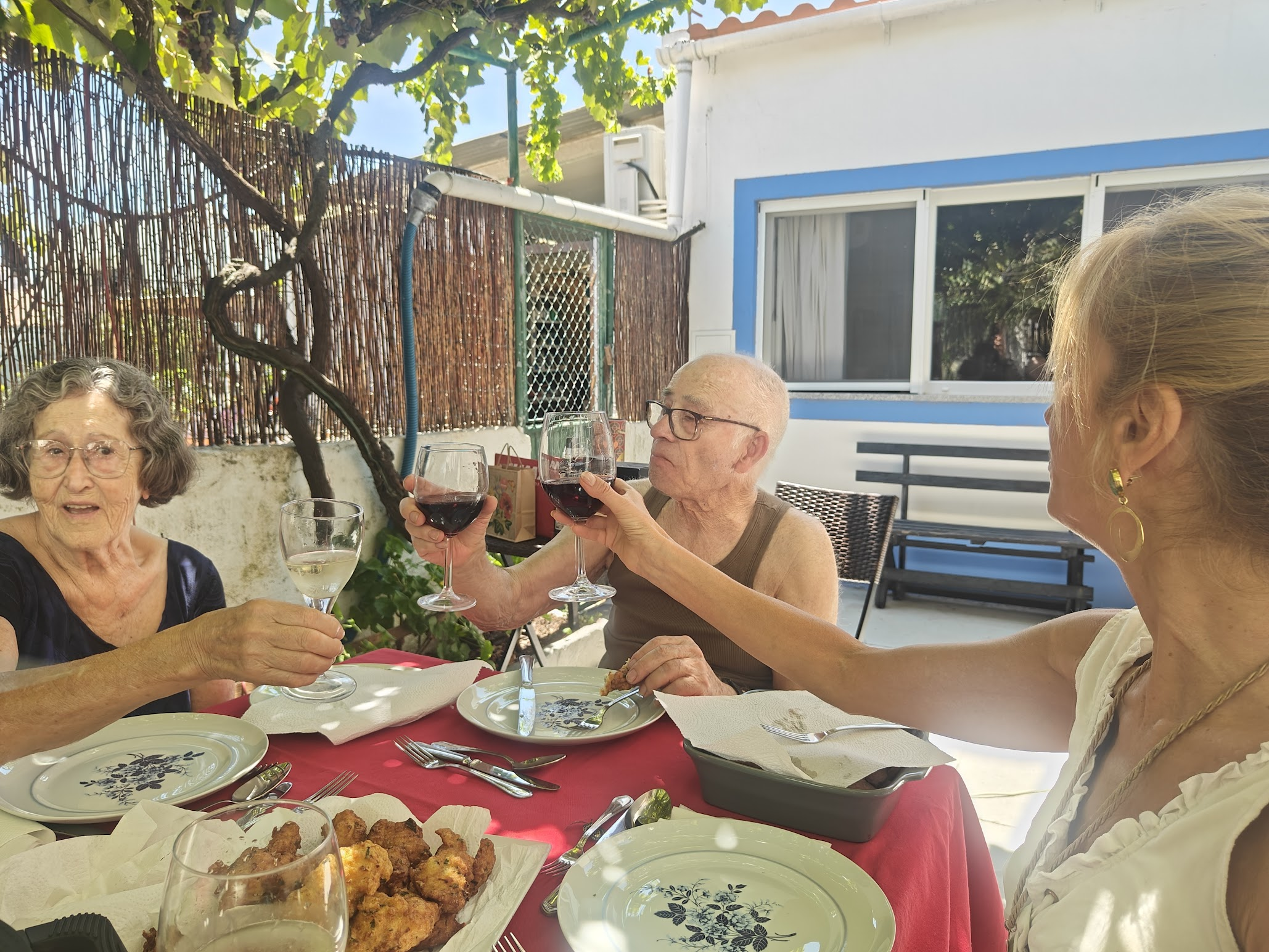
My grandfather’s birthday.
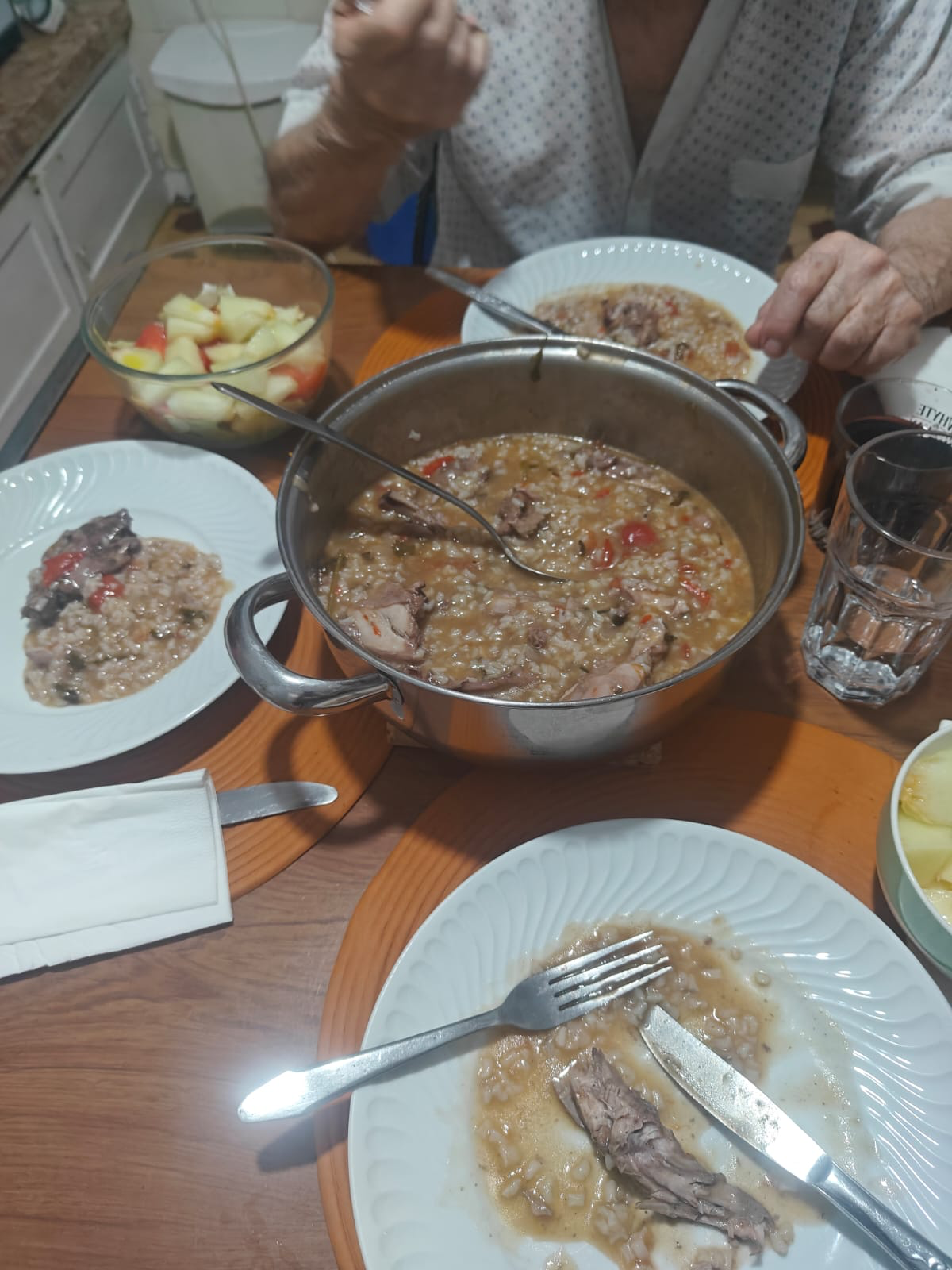
Rabbit rice at my grandparents’ house.
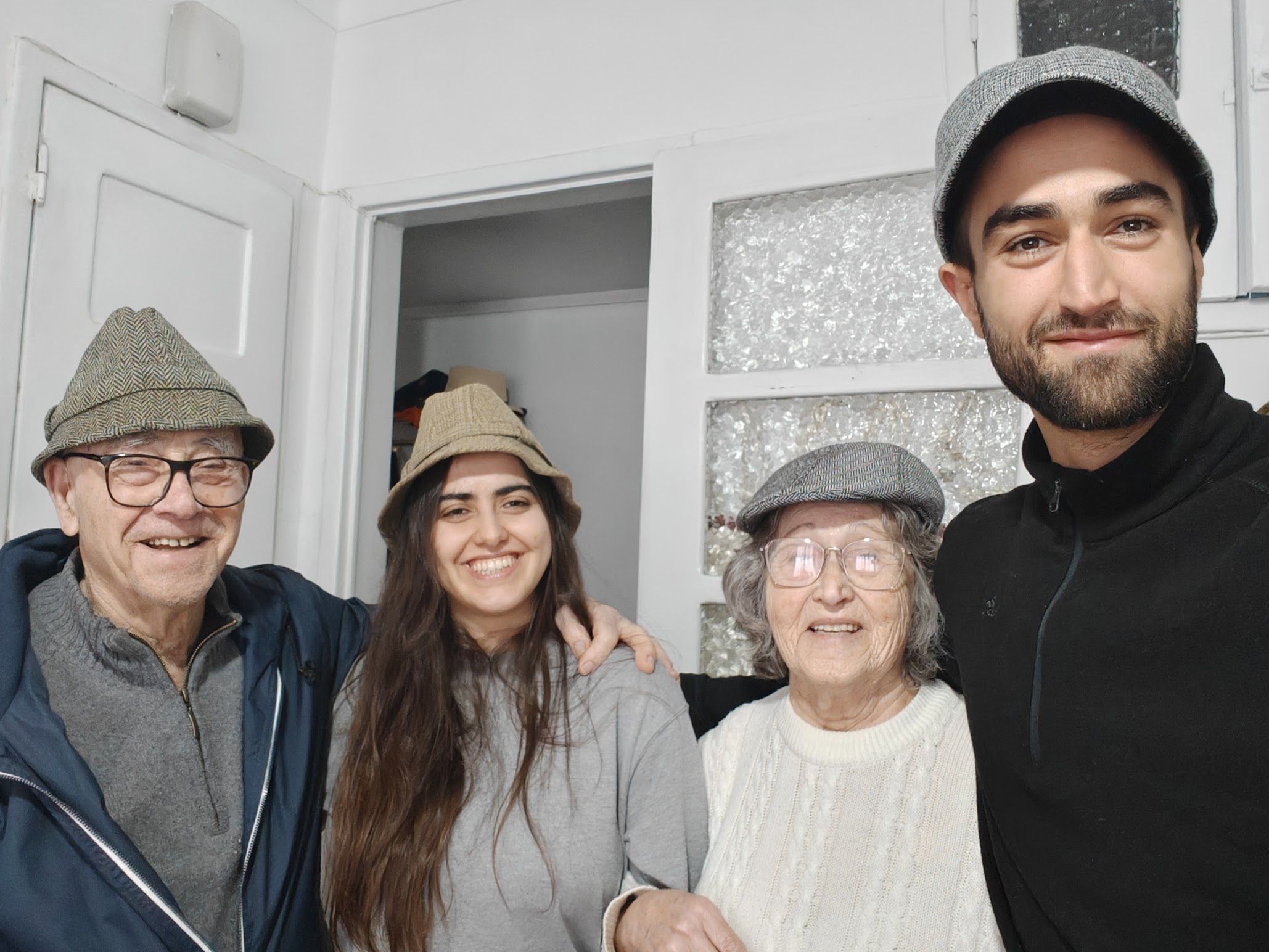
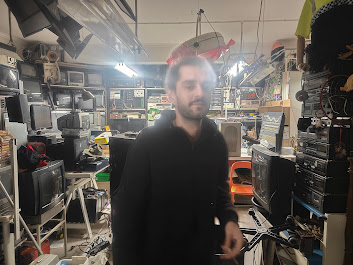
My friend’s workshop.
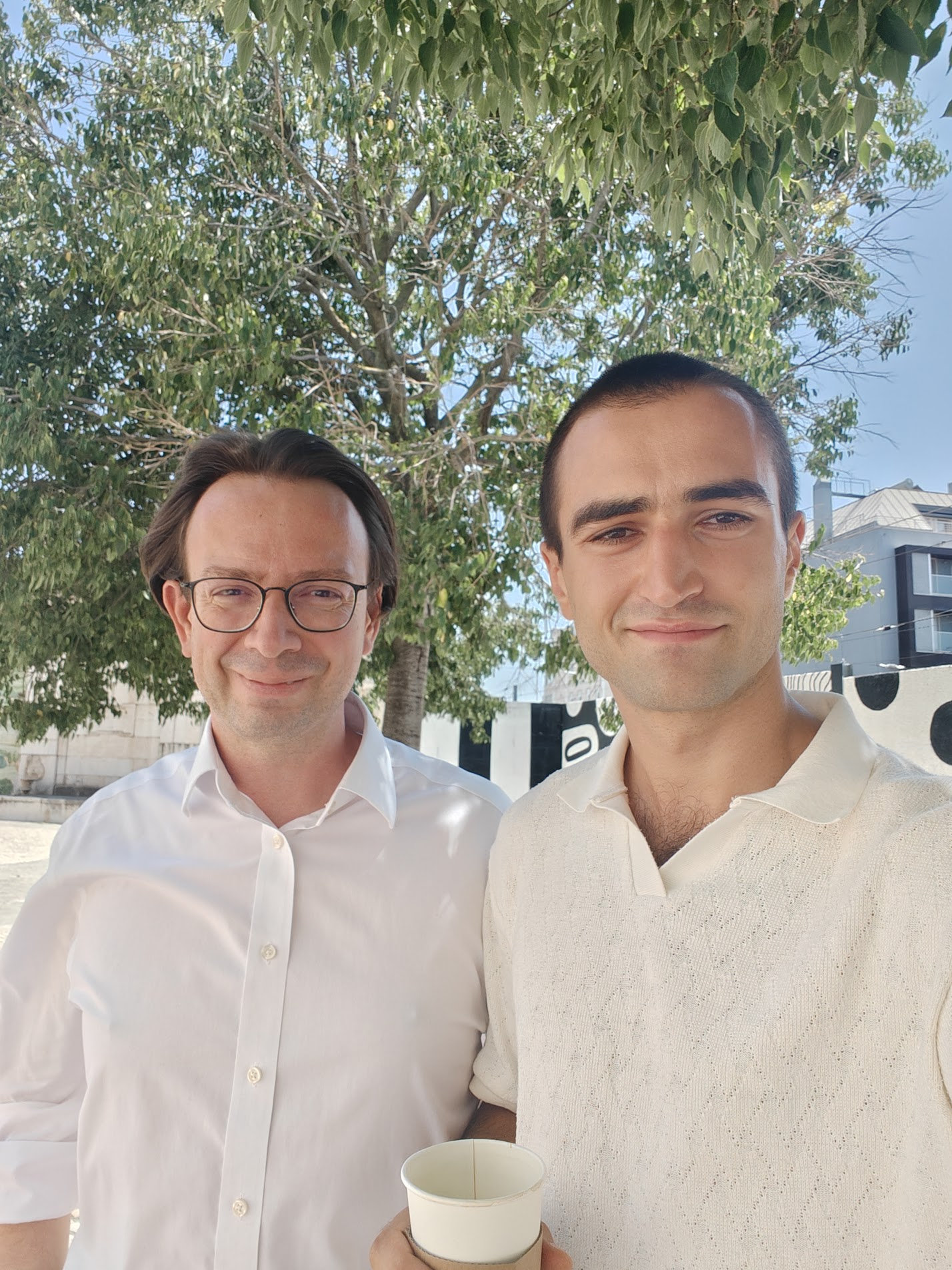
Lunch with Marco.
Back home to Berlin
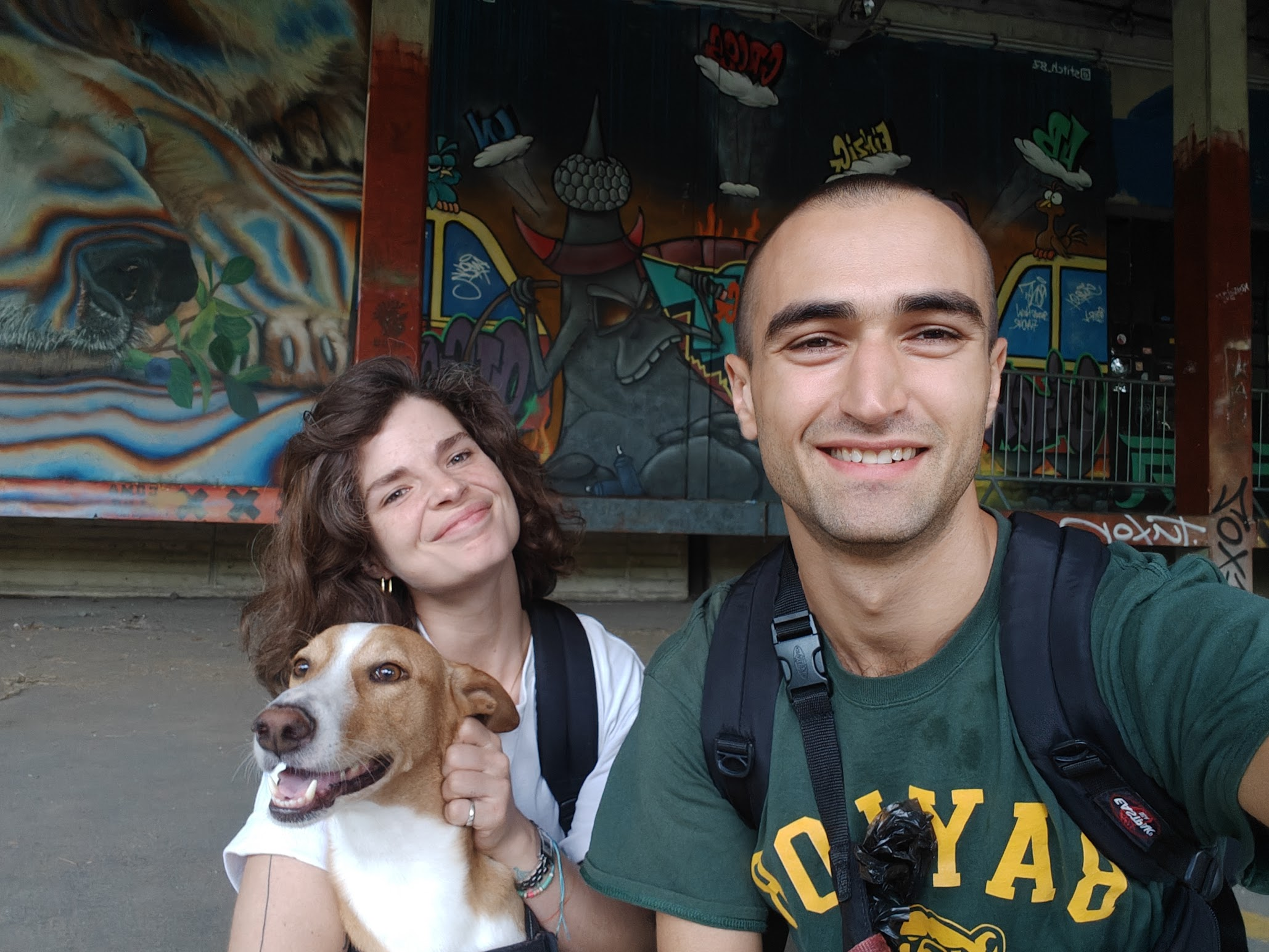
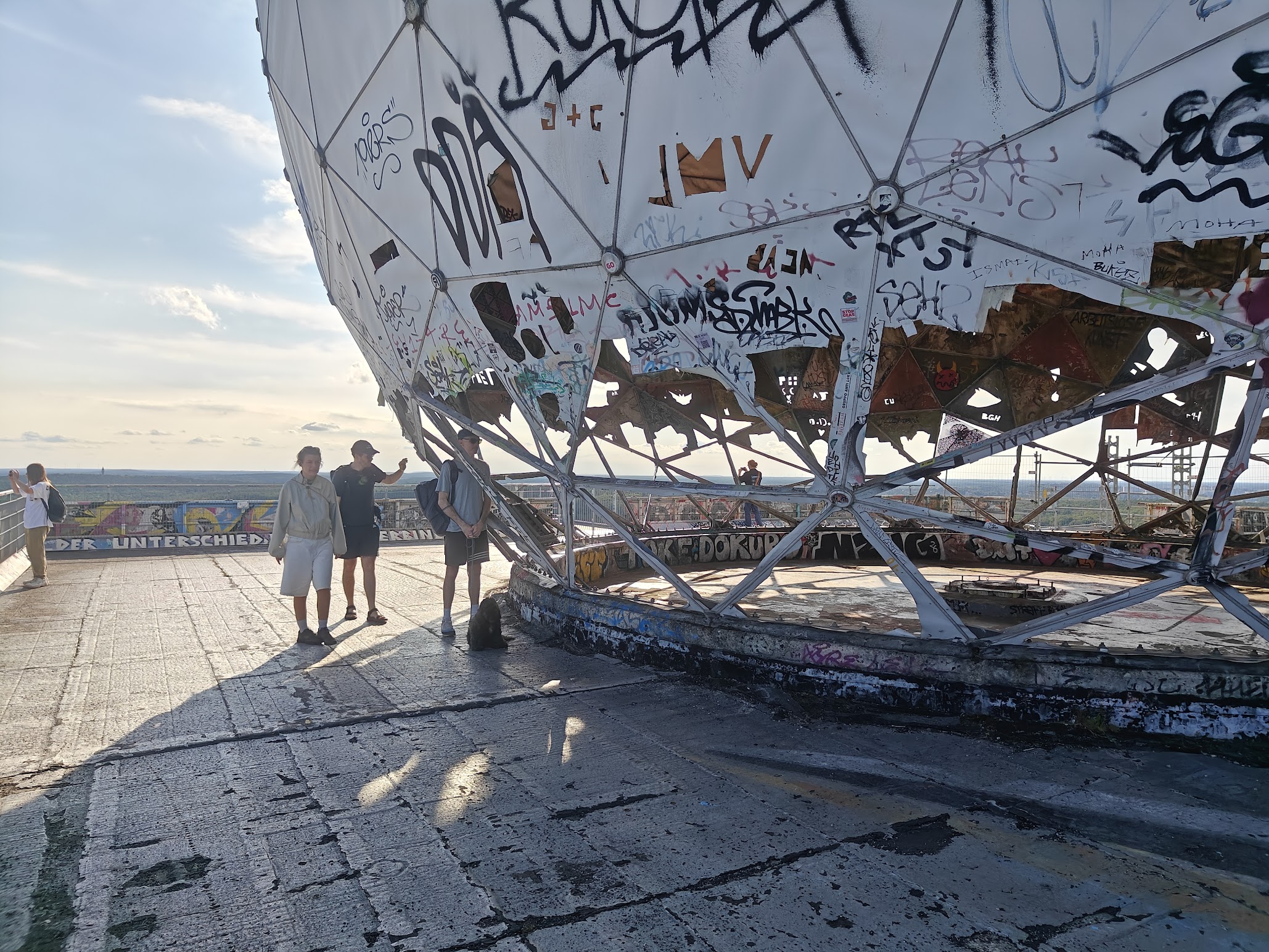
Back home to Berlin with Catarina and Nico.
About my great-grandfather
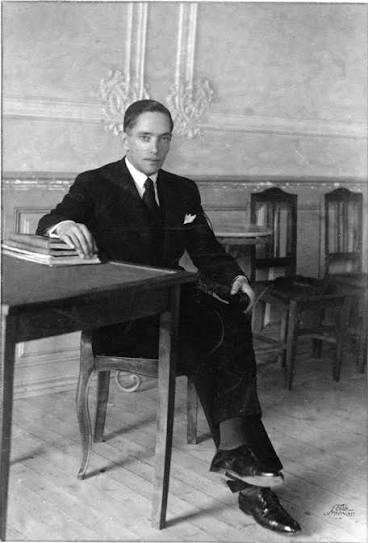
José Alves Monteiro (1890–1980), born in Fundão to Ana Tavares Monteiro and the local small-scale farmer José Alves Monteiro, was a distinguished Portuguese magistrate and intellectual who left a cultural and civic mark on his home region. After graduating in Law from the University of Coimbra in 1912, he returned to Fundão to practice law and engage in local culture and politics. During this early period, he collaborated with the Integralist movement. This influential political and cultural current, known as Integralismo Lusitano, emerged in Coimbra in 1914 as a traditionalist, anti-liberal, and anti-parliamentary movement that championed municipal decentralization, Roman Catholicism, and a corporatist monarchy. Around the same time, he provided critical support to what would become the Seminário Menor do Fundão (Minor Seminary), serving dedicatedly as an unpaid volunteer teacher there for several years. Alongside a brilliant legal career — during which he restructured the Criminal Investigation Police into the modern Polícia Judiciária and ascended to the Supreme Court of Justice — he remained a pioneering local archaeologist, founding and organizing the Archaeological Museum of Fundão in 1942. He also published literary works, such as the poetry collection Terras da Beira. Throughout his life, Monteiro was widely remembered as a generous citizen who used his professional network and personal influence to help any local citizens of Fundão who sought his assistance.
Reference
José Alves Monteiro: Fontes para uma biografia (I), Cadernos do Museu Arqueológico Municipal José Monteiro, Câmara Municipal do Fundão. Available at: https://www.academia.edu/90910209/Jos%C3%A9_Alves_Monteiro_Fontes_para_uma_biografia_I